
Introduction to Thai Mango Sweet Sticky Rice
Why is Thai Mango Sweet Sticky Rice a beloved dessert?
Thai Mango Sweet Sticky Rice is not just a dessert; it's a delightful celebration of flavors and textures that truly represents the charm of Southeast Asian cuisine. This iconic dish combines the soft, chewy goodness of sweet sticky rice with the lush richness of coconut milk and the natural sweetness of ripe mango. It's the perfect balance of creamy, fruity, and subtly salty, making it an irresistible treat.
One of the reasons this dessert has captured hearts worldwide is its simplicity. With just a handful of ingredients—mangoes, sticky rice, and coconut milk—you can create a dessert that feels genuinely gourmet. Source fresh, ripe mangoes for an authentic taste, and you’ll see why locals cherish it as a staple during mango season. In fact, many prefer to enjoy it during traditional Thai festivities, linking it to nostalgia and cultural heritage.
Did you know that this dish is relatively simple to master at home? With just a steamer, you can replicate a Thai restaurant experience in your own kitchen. So if you're looking to impress friends or simply treat yourself, making Thai Mango Sweet Sticky Rice is both a rewarding and fun culinary adventure!
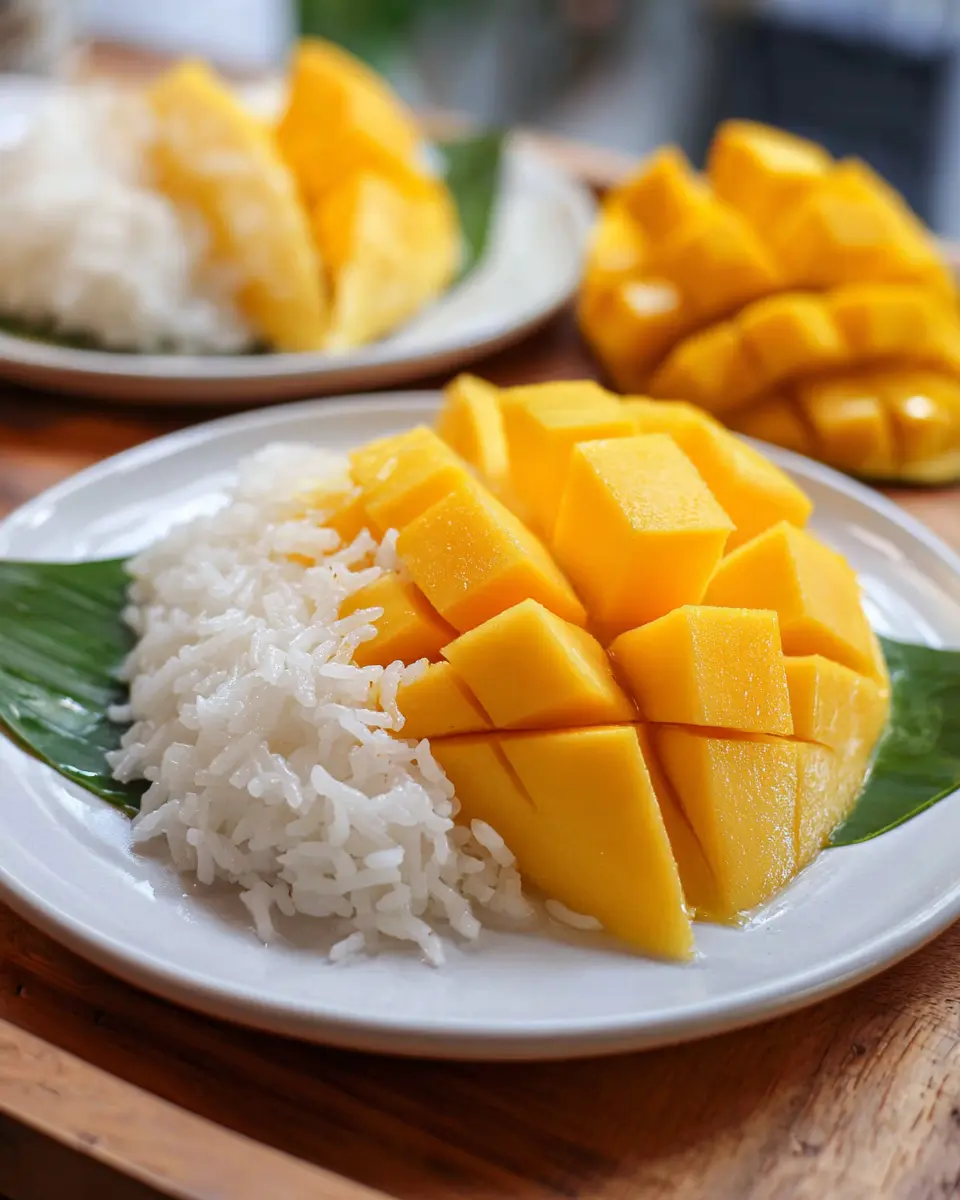
Ingredients for Thai Mango Sweet Sticky Rice
When it comes to making a delightful Thai Mango Sweet Sticky Rice, the right ingredients are essential for achieving that perfect blend of flavor and texture.
Essential ingredients for perfect sticky rice
-
Glutinous/Sweet Rice: This is the core ingredient that gives the dish its distinct sticky texture. Look for high-quality Thai sweet rice, which you can find at most Asian grocery stores.
-
Coconut Milk: The creamy richness of coconut milk elevates the dish, adding a delightful sweetness. Opt for full-fat coconut milk for the best flavor and creaminess.
-
Sugar and Salt: These simple ingredients balance the sweetness and enhance the flavors. A little sugar goes a long way in enriching the rice and sauce.
-
Corn Starch: This is used to thicken the coconut sauce, ensuring it coats the rice perfectly. It adds just the right consistency!
Fresh mango varieties to choose from
For the ultimate flavor pairing, selecting the right mango is key. Here are some delicious varieties to consider:
-
Hass: This creamy, buttery mango adds richness to your dessert.
-
Honey: Sweet and juicy, these mangoes are perfect when in season and will enhance the overall sweetness of the dish.
-
Tommy Atkins: A more robust option, this variety is slightly tangy, adding a refreshing contrast to the sweetness of the rice.
By picking quality ingredients, you're setting the stage for a truly memorable Thai Mango Sweet Sticky Rice. For a deeper dive into essential ingredients, consider checking resources like Serious Eats or Epicurious for insight on tropical ingredients. Happy cooking!
Preparing Thai Mango Sweet Sticky Rice
Soaking the glutinous rice
The first step in creating this delightful Thai Mango Sweet Sticky Rice is soaking the glutinous rice. This crucial preparation helps to ensure that the rice becomes soft, sticky, and well-cooked. Aim to soak the rice for at least 2 hours, though if you have more time, soaking it overnight will yield even better results.
After soaking, simply drain the rice and get ready for the next step. Not only does soaking enhance the texture, but it also reduces cooking time, allowing you to enjoy your dessert sooner!
Steaming the sticky rice
Now that your rice is prepped, it’s time to steam it. If you have a traditional steamer, that’s perfect! Place your drained rice in the steamer basket and steam it for about 20-30 minutes. Keep an eye on it, checking around the 20-minute mark. The rice is ready when it’s soft and fluffy—not hard in the middle.
For those without a steamer, don’t worry! You can easily create one using aluminum foil. Mold three equal-sized balls and place them in a pot filled with water. Then, set a heatproof bowl on top, add the rice, and steam away! Just make sure to keep an eye on the water level; a dry pot can ruin your cooking experience.
Making the sweet coconut sauce
While your rice is steaming, start on the luxurious sweet coconut sauce. Take 1 cup of coconut milk, add in ¼ cup sugar and ¼ teaspoon salt, and bring it to a boil in a saucepan. This coconut sauce is where the magic happens! Once it reaches a rolling boil, scoop out about half of the sauce into a small bowl and set it aside for later.
To thicken the remaining sauce, mix 1 tablespoon of coconut milk with ½ teaspoon of corn starch and add this back into the pot. Give it a few minutes to thicken, stirring continuously. This thickened sauce will enhance your Thai Mango Sweet Sticky Rice experience!
Combining the rice and sauce
After your rice is perfectly steamed, it’s time for the fun part—combining it with the coconut sauce! Pour the non-thickened sauce you set aside into the rice and stir well. This will give your rice that beautiful, creamy texture you crave. Once mixed, let everything cool for about 15-20 minutes.
This cooling process is essential, as it allows the rice to firm up a bit, making it easier to serve.
Slicing the mangoes and plating
While the rice is cooling, prepare your fresh mangoes. Choose ripe, juicy ones—they're key to this dessert! Slice the mangoes into thin strips, showcasing their vibrant color.
Now for the exciting part: plating! Once the rice has cooled, scoop it onto your serving plates, arrange the mango slices alongside, and drizzle the thickened coconut sauce over the top. A sprinkle of sesame seeds adds a lovely touch and a hint of crunch.
Enjoy your homemade Thai Mango Sweet Sticky Rice, and revel in the delightful flavors of this classic dessert!
For more tips on mango recipes, check out resources like those from Serious Eats or Food & Wine.
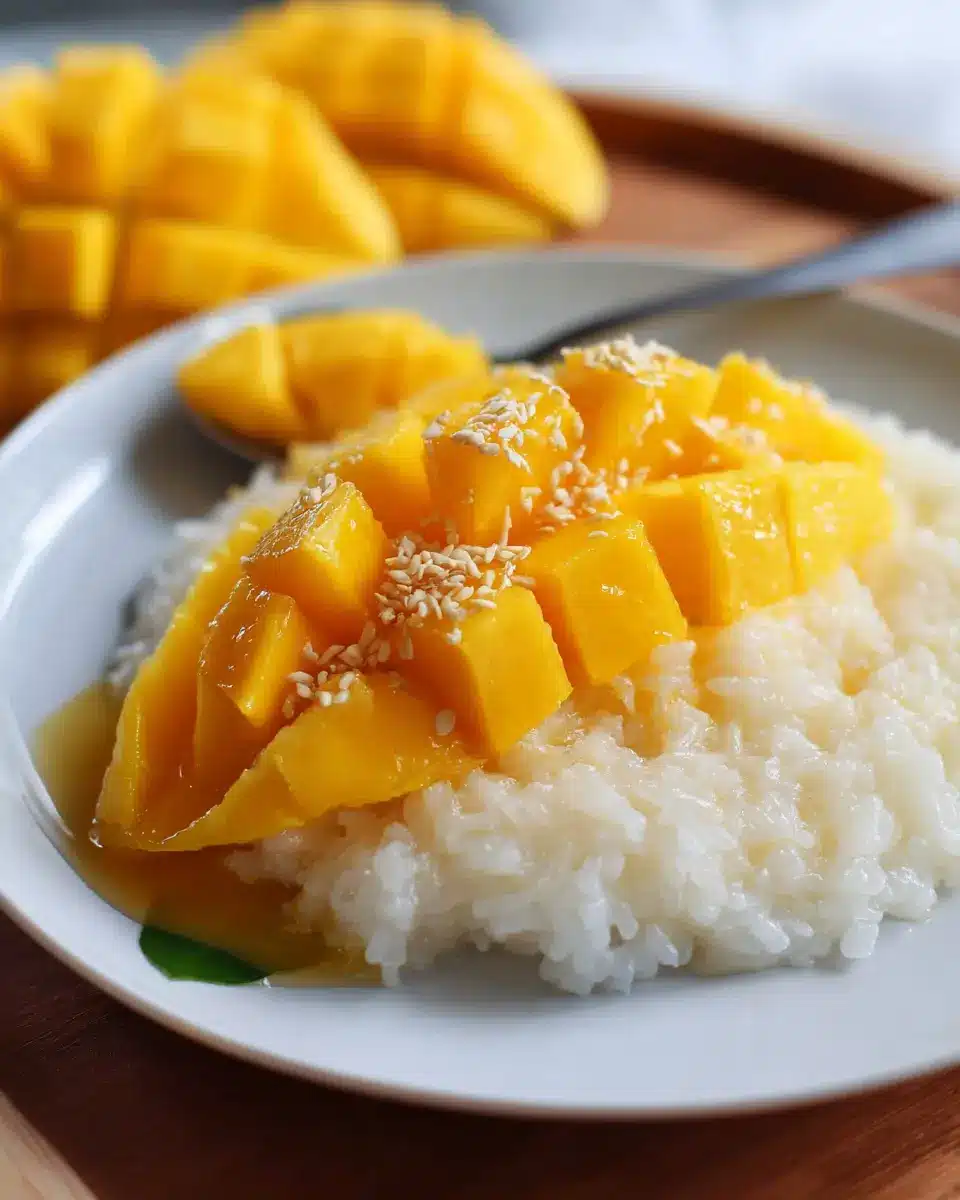
Variations of Thai Mango Sweet Sticky Rice
Adding a twist with different fruits
While Thai Mango Sweet Sticky Rice is a beloved favorite, there’s no reason to stop there! Consider mixing in other fruits like ripe bananas, pineapples, or lychee. Each fruit brings its unique sweetness and texture, creating delightful variations. For a tropical twist, try using passion fruit as a topping—its tartness beautifully balances the creamy coconut sauce. Personal favorites in our home include the juiciness of fresh peaches during summer!
Experimenting with flavored coconut sauce
To elevate your Thai Mango Sweet Sticky Rice, consider experimenting with flavored coconut sauces. Adding a splash of vanilla extract or a hint of pandan leaf can infuse your sauce with complimentary flavors that enhance the dish. For a spicier kick, some people incorporate a pinch of cinnamon or ginger. These variations not only add complexity but also create an experience that makes this classic dessert even more exciting. For more ideas and inspirations, check out blogs on global dessert flavors!
Remember, the next time you're making this dish, don't hesitate to get creative with fruits and sauces—your taste buds will thank you!
Cooking Tips and Notes for Thai Mango Sweet Sticky Rice
Common Pitfalls to Avoid
Creating the perfect Thai Mango Sweet Sticky Rice can be tricky. Here are some pitfalls to steer clear of:
- Soaking Time: Always soak your glutinous rice for at least two hours to ensure the grains absorb enough water. Skipping this step can lead to uneven cooking.
- Overcooking the Rice: Avoid letting the rice steam for too long. Check at the 20-minute mark to ensure it turns soft and fluffy, not mushy.
- Coconut Sauce Consistency: Take care when thickening the sauce. Adding too much cornstarch at once can result in a gummy texture.
How to Check if Rice is Perfectly Cooked
The key to Thai Mango Sweet Sticky Rice lies in the texture of the rice. After steaming, gently press a few grains. If they yield easily and are tender throughout, you're good to go! If there's any hardness in the center, give it a few more minutes. Trust your senses—the aroma and texture tell you all you need to know.
For more expert tips, check out resources like the Food Network for troubleshooting and cooking advice.
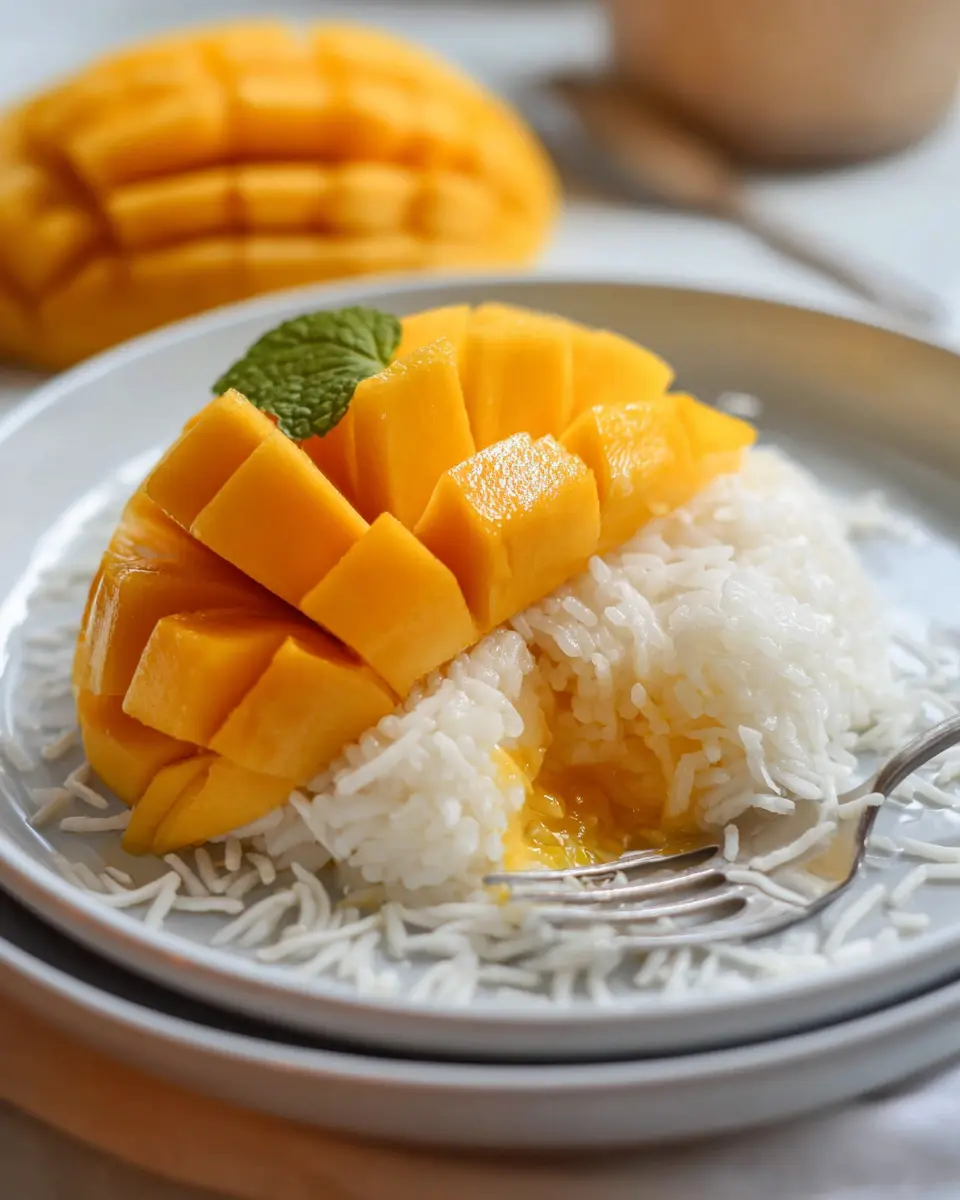
Serving suggestions for Thai Mango Sweet Sticky Rice
Creative plating ideas
When serving Thai Mango Sweet Sticky Rice, presentation can elevate your dessert from delicious to dazzling. Try layering the sticky rice and mango in a clear glass for a visually striking trifle. Alternatively, use a cookie cutter to shape the rice into fun forms before plating, adding a drizzle of coconut sauce atop for flair. For color contrast, sprinkle fresh mint leaves or edible flowers around your plate – they not only look great but also enhance the tropical vibe!
Pairing with other desserts or drinks
To complement the richness of your Thai Mango Sweet Sticky Rice, consider pairing it with a refreshing coconut sorbet or tropical fruit salad. For drinks, iced Thai tea or a refreshing lemongrass lemonade can balance out the sweetness of the dessert beautifully. Hosting friends? Offer a small platter of assorted fruits like dragon fruit and papaya alongside to elevate the experience and provide a taste of Thailand! For more ideas on dessert pairings, check out Serious Eats.
Time Breakdown for Thai Mango Sweet Sticky Rice
Preparation Time
To prepare Thai Mango Sweet Sticky Rice, you'll need about 10 minutes for slicing mangoes and soaking the glutinous rice. This is a crucial step that enhances the rice's texture and flavor.
Cooking Time
The main cooking process takes around 25 minutes. This includes steaming the sticky rice until it's perfectly soft and creamy, and preparing the delightful coconut sauce.
Total Time
In all, you’re looking at a total of 35 minutes from start to finish! That’s a pretty quick turnaround for such a delicious dessert. Grab your ingredients, and let’s get cooking! For more insight on preparing glutinous rice, check out this guide on cooking sticky rice for perfect results every time.
Nutritional Facts for Thai Mango Sweet Sticky Rice
Calories
A serving of Thai Mango Sweet Sticky Rice contains approximately 403 calories. This rich dessert is both satisfying and indulgent, making it an occasional treat to enjoy with friends or family.
Carbohydrates
You'll find that each serving packs about 68 grams of carbohydrates. The intricate blend of glutinous rice and fresh mangoes offers a delightful source of energy, perfect after a long day.
Sugar Content
Sweetened with 27 grams of sugar, this dish is undeniably sweet! The natural sugars from fresh mangoes combined with the added sugar create a deliciously satisfying dessert that will please your sweet tooth.
For more insights on the nutritional aspects of your favorite desserts, feel free to explore reputable sources like Harvard Health for updated health guidelines.
FAQs about Thai Mango Sweet Sticky Rice
What can I substitute if I can't find glutinous rice?
If you’re having trouble finding glutinous rice, you can use short-grain rice or sweet rice as alternatives. These varieties have a similar sticky texture when cooked, making them a decent substitute for Thai Mango Sweet Sticky Rice. However, the flavor might not be quite the same, so keep that in mind!
How can I store leftover sticky rice?
Leftover sticky rice can be stored in an airtight container in the refrigerator for up to three days. To reheat, simply steam it again or microwave it with a splash of water to regain its softness. This way, you can enjoy your yummy dessert for days!
Can this dish be made in advance?
Absolutely! You can prepare your Thai Mango Sweet Sticky Rice a day ahead. Just store the rice and mango separately until you’re ready to serve. When it’s time to indulge, warm everything slightly and drizzle with that delicious coconut sauce. Enjoy the convenience without compromising on taste!
Conclusion on Thai Mango Sweet Sticky Rice
Thai Mango Sweet Sticky Rice is not just a dessert; it’s an experience. With its luscious textures and inviting flavors, it brings a taste of Southeast Asia right to your home. Enjoy this delightful treat with loved ones, making every bite a moment to savor. Happy cooking!
Thai Mango Sweet Sticky Rice
Equipment
- Steamer
Ingredients
- 2-3 pieces fresh mangoes
- 1 cup glutinous/sweet rice soaked for 2 hours or overnight
- 1 cup coconut milk
- 1 tablespoon coconut milk for thickening the sauce
- ¼ cup sugar
- ¼ teaspoon salt
- ½ teaspoon corn starch
- ½ teaspoon sesame seeds for garnish
Instructions
- Soak glutinous/sweet rice for 2 hours, or up to overnight. Drain water when ready.
- Using a steamer, steam sticky rice for 20-30 minutes. Check on the 20 minute mark. If rice is soft and not hard in the middle, it is done.
- If you do not have a steamer, shape aluminum foil into three equal size balls. Fill pot with water and place the aluminum balls on the pot.
- Place a metal bowl/plate on the aluminum balls. Add drained rice to the bowl/plate.
- Bring pot to boil, cover pot, and cook for 20-30 minutes. Check on the 20 minute mark.
- While waiting for rice to cook, slice mangoes.
- Prepare the sweet coconut sauce by bringing 1 cup of coconut milk, sugar and salt to boil. Once it reaches a boil, bring ½ of the sauce into a small bowl and set aside.
- Combine 1 tablespoon of coconut milk and corn starch, then add that into the pot to thicken the sweet coconut sauce. Boil until sauce is thickened.
- When rice is done, add the non-thickened sweet coconut sauce to rice and mix well. Set aside and let it cool for 15-20 minutes.
- Once cool, place rice onto serving plate(s), pair with mangoes, and drizzle the thickened sweet coconut sauce onto rice. Garnish with sesame seeds.
- Serve and enjoy!


Leave a Reply