
Introduction to Pajeon Recipe
What is Pajeon and Why is it a Must-Try?
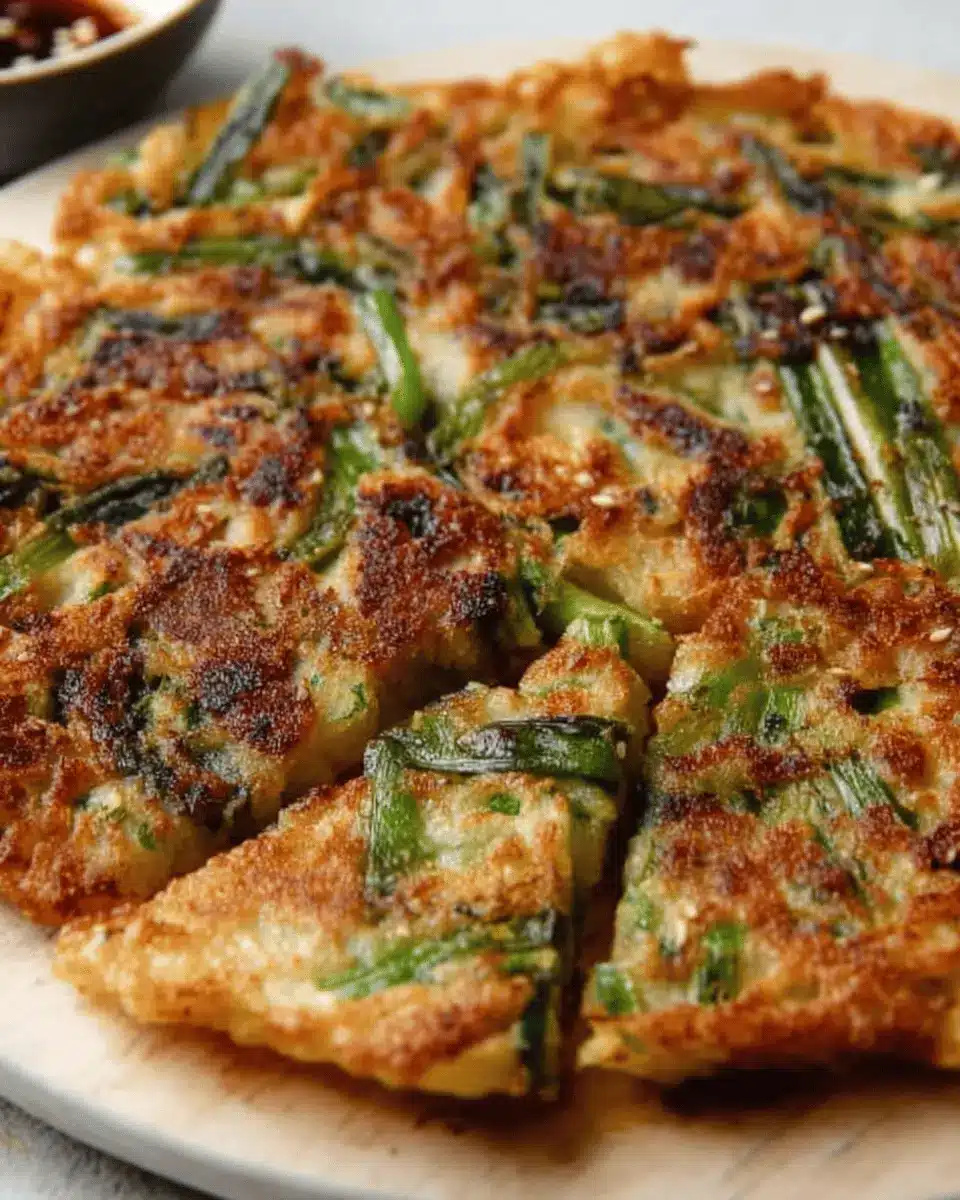
If you’re looking to add a touch of Korean cuisine to your culinary repertoire, then a Pajeon recipe is a fantastic starting point! Pajeon is a delightful Korean scallion pancake, known for its crispy exterior and savory flavor. Made primarily with green onions, this dish is not just a snack; it also serves as a hearty appetizer or side dish perfect for any occasion, from casual weeknight dinners to festive gatherings.
One bite of a perfectly cooked pajeon and you’ll understand why it’s a must-try. The fresh scallions lend a burst of flavor, while the pancake’s golden-brown crust offers a satisfying crunch. You can serve it with a homemade dipping sauce that enhances its taste, bringing an extra layer of deliciousness to every mouthful.
What’s more, this dish is incredibly quick and easy to whip up—ideal for busy young professionals! In just 15 minutes, you’ll have a scrumptious pajeon that rivals takeout options, making it a sought-after recipe for both beginners and culinary enthusiasts. So roll up your sleeves, and let’s dive into this crowd-pleaser that’s better than any restaurant version you might have tried!
Ingredients for Pajeon Recipe
Essential ingredients for a delicious pajeon
To create a scrumptious Pajeon, or Korean scallion pancake, you’ll need a few essential ingredients:
- Green onions: The stars of the dish, providing fresh flavor and texture.
- All-purpose flour: This forms the base of the batter, giving it that delightful crispy edge.
- Potato starch or cornstarch: This ingredient adds a unique chewiness that elevates your pancake.
- Baking powder: Helps the batter rise, adding lightness.
- Cold water: The key to a perfect batter consistency!
- Spices like garlic powder and onion powder to enhance that savory taste.
Recommended substitutions for common allergens
If you have dietary restrictions, don’t worry! Here are some easy swaps for your Pajeon recipe:
- Gluten-free: Substitute all-purpose flour with a gluten-free flour blend and potato starch.
- Nut allergy: Use canola or sunflower oil instead of any nut oils.
- Vegan option: Omit the chicken bouillon powder or use a vegetable-based alternative.
These small adjustments can keep your Pajeon just as enjoyable and fulfilling. Happy cooking!
Preparing Pajeon Recipe
Making a delicious Pajeon (Korean scallion pancake) is a straightforward and enjoyable process! Whether you’re snacking, enjoying a meal, or impressing friends, this Pajeon recipe is sure to be a hit. Here’s a step-by-step guide to help you create this crunchy, savory delight in no time.
Gather and Prepare Ingredients
Before diving into the cooking, it’s essential to gather all the ingredients. For your Pajeon, you'll need:
- 5 green onions (or scallions)
- ¼ cup all-purpose flour
- ¼ cup potato starch (you can also use cornstarch)
- 1 teaspoon baking powder
- ⅛ teaspoon salt
- ½ teaspoon chicken bouillon powder
- 1 teaspoon garlic powder
- ½ teaspoon onion powder
- ½ cup very cold water
- 5 tablespoons vegetable oil (or any neutral oil)
Make sure your green onions are cleaned and trimmed, cut into 2-inch pieces, and set aside. This preparation will make the cooking process smoother.
Mix the Pancake Batter
Now it’s time to whip up the pancake batter! In a large mixing bowl, combine the chopped green onions with the all-purpose flour, potato starch, baking powder, salt, chicken bouillon powder, garlic powder, and onion powder. Slowly add the very cold water, stirring gently until just combined. Remember, overmixing can lead to a tough pancake, so being gentle is key!
Heat the Oil and Fry the Pancake
Next, grab a large non-stick pan and place it over medium-high heat. Pour in 2 ½ tablespoons of vegetable oil, swirling it around to coat the pan evenly. Once the oil is hot, add the green onions from the batter first, spreading them out before pouring the remaining batter over them. This step ensures those lovely green onions are nicely incorporated throughout the pancake.
Cook to Crispy Perfection
Reduce the heat to medium and let your pancake cook for about 4-5 minutes. You want that lovely golden crust with a bit of charring for flavor. After the bottom is crispy, it’s time to flip the pancake! Carefully place a large spatula underneath and toss it over. Pour in some more oil along the edges of the pan for extra crispiness as it cooks on the other side.
Slice and Serve
When your Pajeon is cooked through and crispy on both sides, transfer it to a cutting board. Use a sharp knife to slice it into smaller pieces—perfect for sharing! For an added zing, whip up a dipping sauce by mixing soy sauce, rice vinegar, sesame oil, and finely chopped green onions.
Now that you’ve completed this delightful Pajeon recipe, enjoy your crispy masterpiece as a snack, appetizer, or side dish! Don't forget to share your experiences and favorite twists on this beloved dish. Happy cooking!
Variations on Pajeon Recipe
Seafood Pajeon for the Adventurous Eater
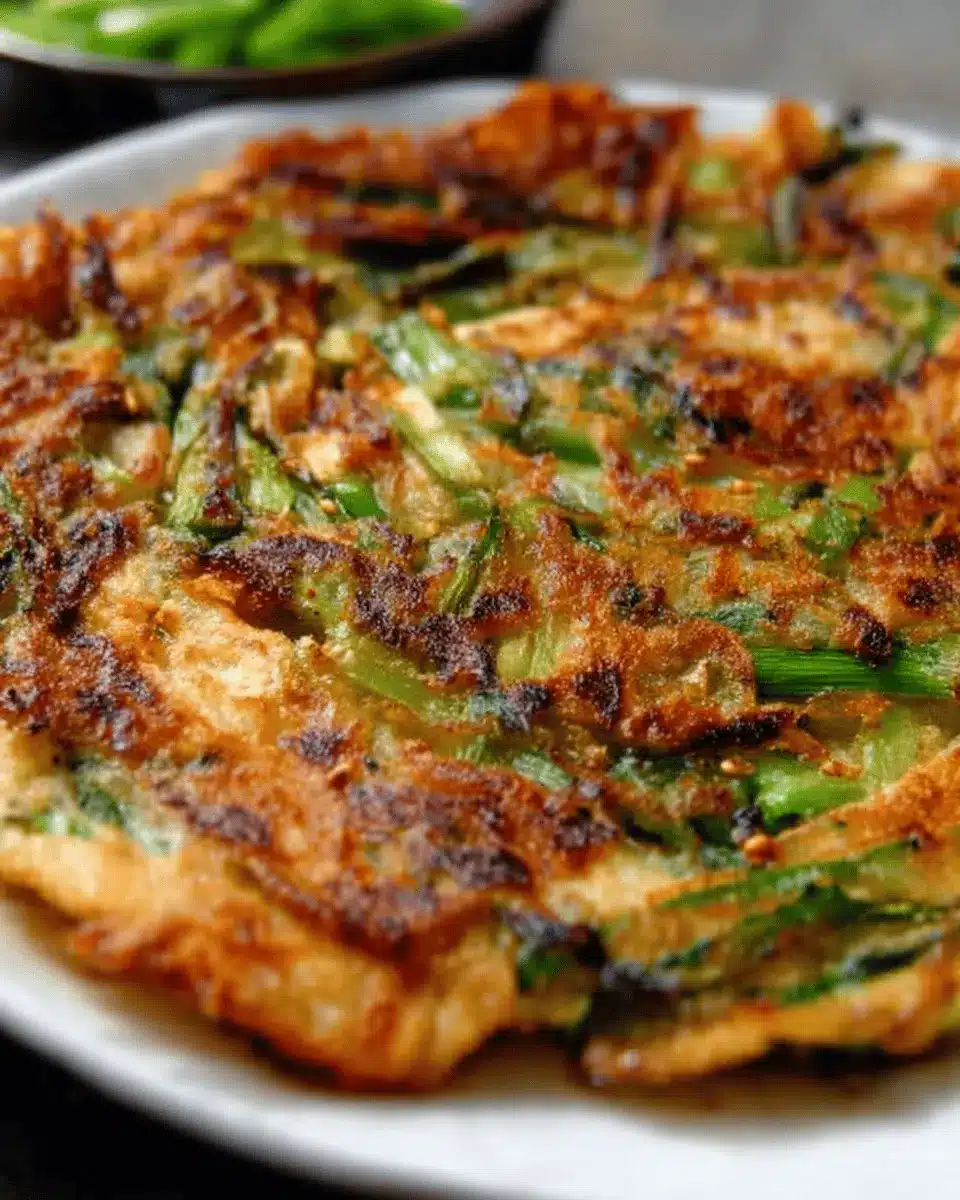
If you're feeling adventurous, try adding a medley of seafood to your pajeon recipe. Shrimp, squid, and even mussels can elevate this dish to new heights. Simply chop them into bite-sized pieces and stir them into the batter along with the green onions. The result is a mouthwatering seafood pancake that's crispy on the outside and tender on the inside—perfect for impressing your friends at your next dinner party. You can read more about incorporating seafood into Korean cuisine on sites like Maangchi.
Veggie-Packed Pajeon for a Healthy Twist
Looking for a healthier option? A veggie-packed pajeon is a fantastic way to sneak in some greens. Consider adding grated carrots, zucchini, or bell peppers to the batter. Not only will they add vibrant color, but they also enhance the pancake's nutritional value. Just remember to chop the veggies finely so they cook through evenly. For more inspiration on incorporating vegetables into your meals, check out Cooking Light. With these variations, you can enjoy classic flavors while keeping it fresh and exciting!
Cooking tips and notes for Pajeon Recipe
Common mistakes to avoid
When making your Pajeon, it's crucial to avoid overmixing the batter. This can lead to a rubbery texture instead of the desired crispiness. Additionally, using too little oil can diminish the crispy exterior—don’t skimp on it!
How to achieve the perfect crispiness
For that ultimate crunch, ensure your oil is hot before pouring in the batter. A tip from the pros: use a mix of all-purpose flour and potato starch, as the starch improves the crispiness. Finally, pressing the pancake down while frying helps achieve that golden finish. For more tips on achieving crispy textures, check out Serious Eats’ frying techniques.
Serving suggestions for Pajeon Recipe
Best Dipping Sauces for Pajeon
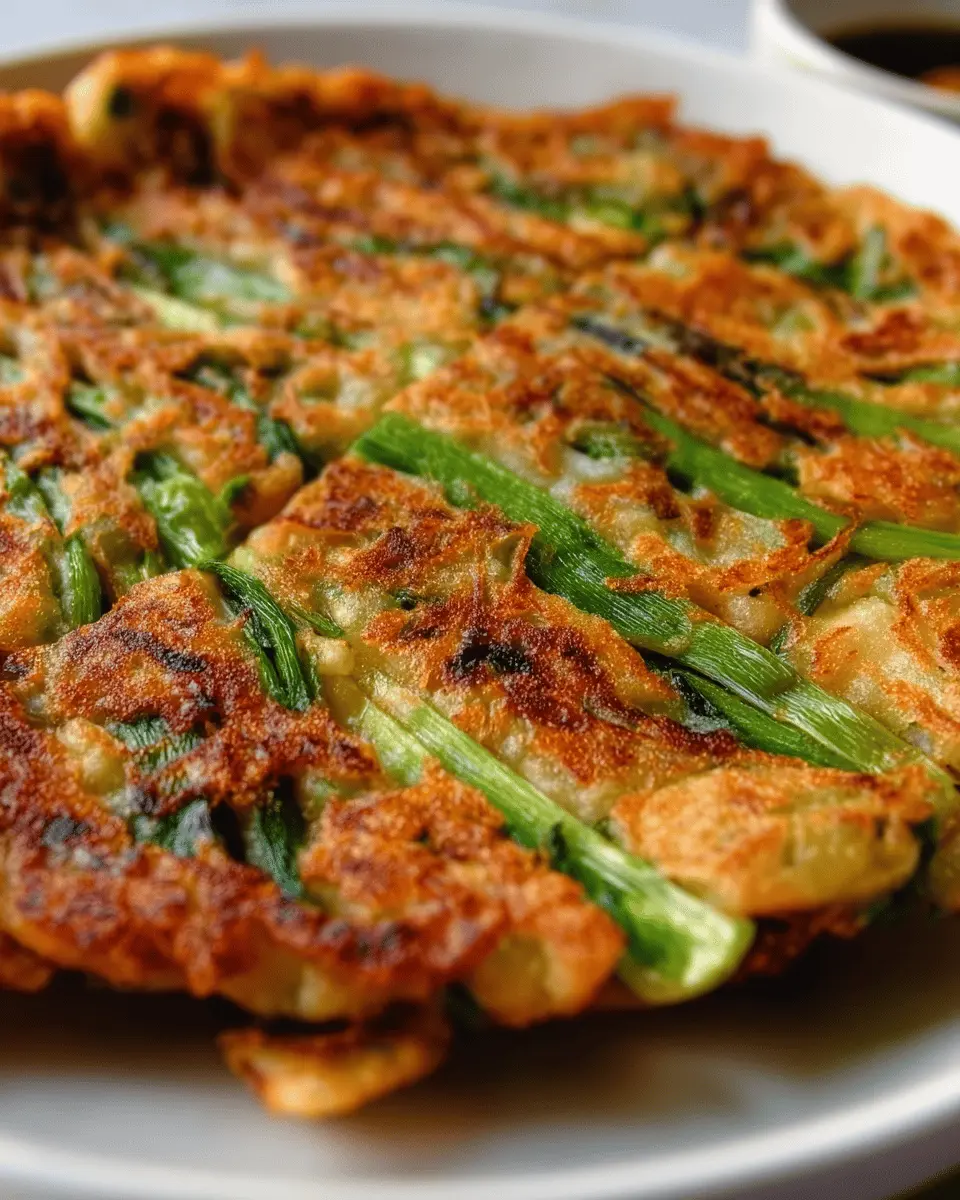
When it comes to enjoying your pajeon, a zesty dipping sauce can elevate the entire experience. A classic choice is a blend of soy sauce, rice vinegar, and a swirl of sesame oil, all topped with freshly chopped green onions for an authentic kick. For a twist, try adding a dash of chili flakes for some heat or even a touch of honey for a subtle sweetness. This balance of flavors will complement the savory crispness of the pancake beautifully.
Perfect Pairings for a Complete Meal
To create a satisfying meal around your pajeon, consider serving it alongside some stir-fried veggies or a refreshing kimchi salad. You can also pair it with grilled chicken ham or turkey bacon for added protein. For beverages, a chilled herbal tea or a fruity soda makes for a delightful match. This strategy not only rounds out your plate but also invites a variety of flavors to tickle your taste buds, making your meal a memorable culinary experience!
Time Breakdown for Pajeon Recipe
Preparation Time
Getting everything ready for your pajeon recipe takes only about 10 minutes. This includes washing and chopping your green onions and mixing the batter. It’s a breeze, especially if you have everything laid out!
Cooking Time
Once you’re ready to cook, it takes just 5 minutes per side to achieve that perfect crispiness. Keep an eye on it while it sizzles to get that golden-brown crust!
Total Time
In under 15 minutes, you’ll have a delightful Korean scallion pancake on your plate. Perfect for a quick snack, appetizer, or even a main dish on busy weeknights!
For more tips and inspiration, check out this comprehensive guide on Korean cuisine.
Nutritional Facts for Pajeon Recipe
Calories per serving
This delightful Pajeon recipe offers approximately 362 calories per serving, making it an indulgent treat without completely derailing your dietary goals.
Key nutrients
Packed with essential nutrients, Pajeon features nutrients like:
- Protein: From the flour and green onions.
- Carbohydrates: Providing quick energy, especially from the all-purpose and potato starch.
- Fiber: Beneficial for digestion, primarily from green onions.
It’s a delicious way to enjoy a savory snack while also getting a bit of nutrition! For a more in-depth analysis, check out this resource on macronutrients.
FAQs about Pajeon Recipe
Can I make pajeon in advance?
Absolutely! You can prepare the pajeon batter ahead of time and store it in the refrigerator for a few hours. Just remember to give it a quick stir before cooking to ensure everything is well combined. While it's best enjoyed fresh for that delightful crispy texture, leftovers can be stored in an airtight container for up to two days. You can reheat them in a skillet over medium heat for a few minutes until they’re warm and crispy again.
What can I serve with pajeon?
Pajeon is incredibly versatile and pairs well with various sides. For a complete meal, consider serving it alongside:
- Rice or noodles for heartiness
- A simple salad for freshness
- Kimchi for a spicy kick
- The tangy dipping sauce included in this recipe to enhance its savory flavor
Is pajeon suitable for gluten-free diets?
Yes, you can make a gluten-free version of this pajeon recipe! Simply replace the all-purpose flour with a gluten-free flour blend and ensure that your potato starch or cornstarch is gluten-free as well. This way, everyone can enjoy this delectable dish!
For more gluten-free tips, check out this resource.
Conclusion on Pajeon Recipe
Why Pajeon Deserves a Place in Your Meal Rotation
Incorporating a pajeon recipe into your weekly meal plan brings variety, flavor, and ease—perfect for busy professionals. This crispy scallion pancake can serve as an appetizer, snack, or light meal, making it versatile. Plus, it’s quick to whip up, proving better than takeout while enjoying a taste of Korean comfort food at home.
Pajeon (Korean Scallion Pancake)
Equipment
- large non-stick pan
- mixing bowl
- Spatula
- Sharp knife
Ingredients
Pancake Batter
- 5 tablespoons vegetable oil or any neutral oil
- 5 green onions
- ¼ cup all-purpose flour
- ¼ cup potato starch or cornstarch
- 1 teaspoon baking powder
- ⅛ teaspoon salt
- ½ teaspoon chicken bouillon powder
- 1 teaspoon garlic powder
- ½ teaspoon onion powder
- ½ cup water very cold
Dipping Sauce
- 2 tablespoons regular soy sauce or light soy sauce
- 2 tablespoons rice vinegar or white vinegar
- 1 teaspoon sesame oil
- 1 tablespoon green onion finely chopped
Instructions
Preparation
- Wash green onions and pat dry with paper towels. Trim off the roots, vertically split each stalk down the middle, and chop into 2-inch-long pieces. Transfer into a large mixing bowl.
- Add the remaining batter ingredients to the mixing bowl and mix just until combined. Do not overmix.
Cooking
- Heat 2 ½ tablespoons vegetable oil in a large non-stick pan on medium-high heat. Swirl the oil in the pan and add the green onions from the batter first, spreading them evenly. Then scrape out and pour the remaining batter over to fill in any gaps. Reduce to medium heat and fry until the bottom is crispy, golden with some charring, about 4-5 minutes.
- Flip the pancake over with a large spatula and pour remaining oil along the edges of the pan. Swirl the pancake around in the oil and occasionally press down on it.
- Transfer the pancake to a cutting board and slice with a sharp knife into small pieces.
- In a small bowl, combine the dipping sauce ingredients as listed above and serve with the pancake.




Leave a Reply