
Introduction to Thai Drunken Noodles
Why Thai Drunken Noodles are a must-try for homemade meals
If you haven't yet experienced the vibrant flavors of Thai Drunken Noodles, also known as Pad Kee Mao, you're in for a delightful treat! This dish is a fusion of bold spices, fresh herbs, and a satisfying array of textures, making it a standout option for your homemade meals.
What sets Drunken Noodles apart? It’s all in the cooking process! Typically cooked in a hot wok, the high temperatures retain the nutrients while giving the dish that signature smoky flavor. Plus, the sauce, a beautifully balanced mix of oyster and soy sauces, coats the wide rice noodles perfectly, ensuring every bite bursts with flavor.
One of the best parts about making this dish at home is the customization. You can easily modify the spice level to suit your taste—whether you love heat or prefer a milder fare, it's all in your hands. Not to mention, you can load up on your favorite proteins and veggies.
So, what are you waiting for? Dive into the tantalizing world of Thai Drunken Noodles and bring the irresistible flavors of Thailand right into your kitchen! For an easy guide to making this dish, check out the [official recipe here](https://www.recipetin Eats.com). 🍜
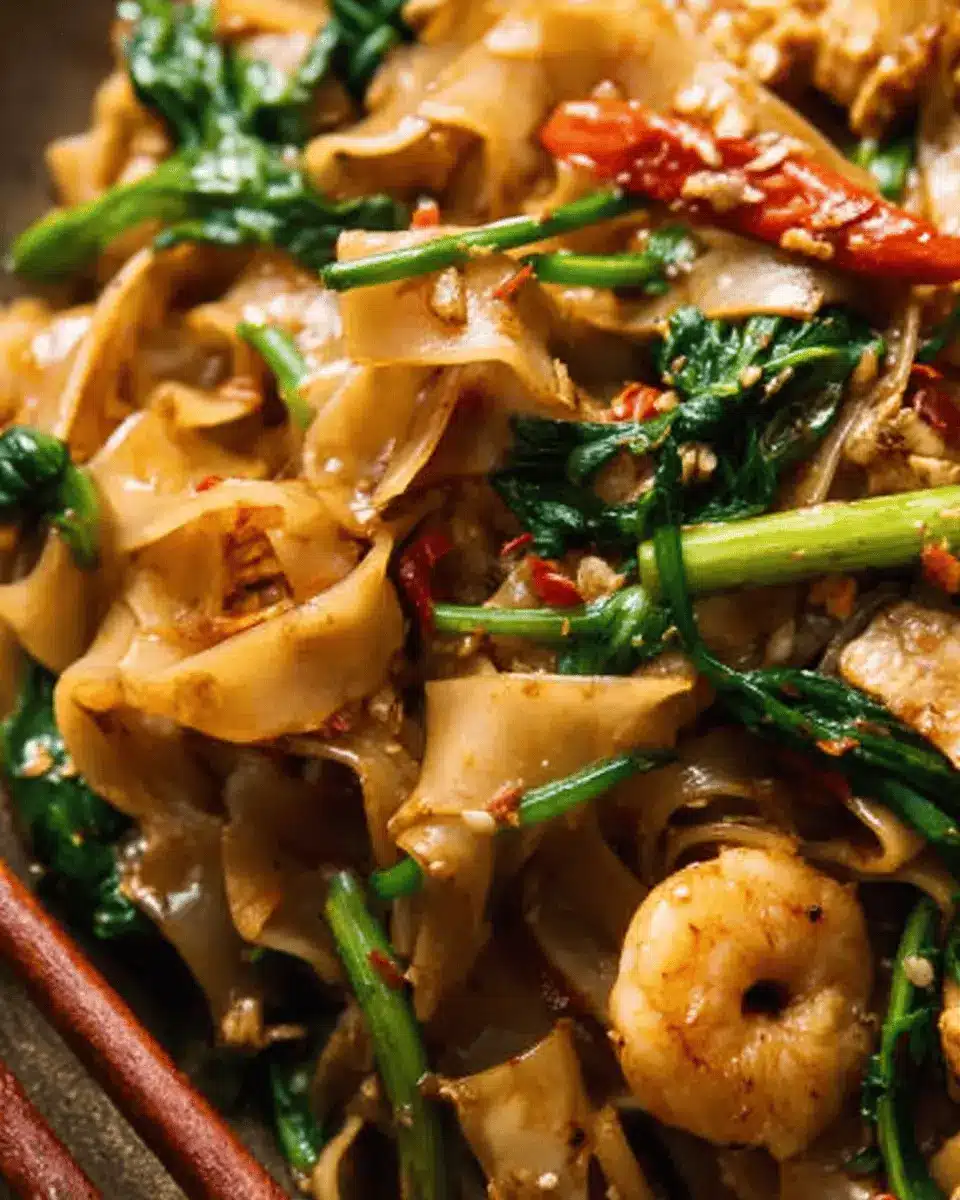
Ingredients for Thai Drunken Noodles
Essential noodles and proteins
To create authentic Thai Drunken Noodles, start with 7 oz (200g) of wide dried rice noodles. These are key for that delightful, chewy texture. For your protein, use 200 grams (7 oz) of chicken thighs cut into bite-sized pieces—they’re tender and flavorful, but you can also opt for chicken breast if you prefer.
Flavor-packed sauces and seasonings
What makes Drunken Noodles truly sing are the sauces. Combine 3 tablespoons of oyster sauce with 1.5 tablespoons each of light and dark soy sauce to achieve that perfect balance of savory and sweet. For extra depth, don’t forget 2 teaspoons of fish sauce and a touch of sugar for harmony in flavor.
Fresh herbs and vegetables
Fresh ingredients elevate your dish, so add 1 cup of Thai basil—the aromatic star of this recipe, and a ½ onion for that savory crunch. Incorporate 2 birds eye chilies, minced, for the heat and a few green onions, chopped. This vibrant mix enhances both the taste and presentation of your Thai Drunken Noodles.
Explore more on Thai cuisine for inspiration!
Preparing Thai Drunken Noodles
Thai Drunken Noodles, or Pad Kee Mao, are not only a delightful treat but also a wonderfully quick dish to whip up at home. Let's dive right into the preparation process:
Prepare the Rice Noodles
Start by cooking your rice noodles according to the package instructions. Typically, you’ll want to soak or boil them for about 6 to 8 minutes until they’re just tender but still a bit firm (you don’t want mushy noodles!). After draining them, rinse under cold water to stop the cooking process. This step is crucial, as it ensures your noodles retain the perfect texture and won't clump together later when you stir-fry them.
Mix the Sauce Ingredients
While your noodles are soaking, grab a small bowl and mix together the sauce. You'll need:
- 3 tablespoons of oyster sauce
- 1.5 tablespoons of light soy sauce
- 1.5 tablespoons of dark soy sauce
- 2 teaspoons of sugar
- 1 tablespoon of water
This combination creates a harmonious balance of savory, sweet, and umami flavors. Feel free to adjust the ingredients according to your taste; a little extra sugar can balance out the saltiness if you prefer a sweeter sauce!
Cook the Aromatics
Next, it’s time to fragrance your kitchen! Heat 2 tablespoons of oil in a wok or large skillet over high heat. Once it’s hot, add in 3 minced garlic cloves and your finely chopped birds eye chillies. Stir-fry for about 10 seconds. Beware—the chili aroma can be pungent!
After that, toss in ½ a sliced onion and stir-fry for another minute until the onion starts to soften and becomes translucent. The aromatic base is what makes these Thai Drunken Noodles irresistibly flavorful!
Stir-Fry the Proteins
Now for the protein! Add 7 ounces of diced chicken thighs to the aromatic mixture along with 2 teaspoons of fish sauce. Stir-fry the chicken for about 2 minutes, until it's fully cooked and no longer pink. Feel free to customize here; you can add shrimp, tofu, or even turkey bacon for a different twist!
Combine Everything and Finish with Basil
Once your chicken is cooked, it’s time to bring everything together. Add the drained rice noodles to the wok, along with the green onions and your prepared sauce. Stir everything together for another minute, letting the noodles soak up all that delicious sauce.
Finally, remove it from the heat and fold in a cup of fresh Thai basil leaves. They will wilt quickly with the residual heat and infuse the dish with a fragrant, peppery note. Serve immediately, and enjoy your homemade Thai Drunken Noodles!
For additional tips on using fresh herbs or customizing with different proteins, check out our guides on Thai Cooking Essentials and Choosing the Right Noodles. Happy cooking!
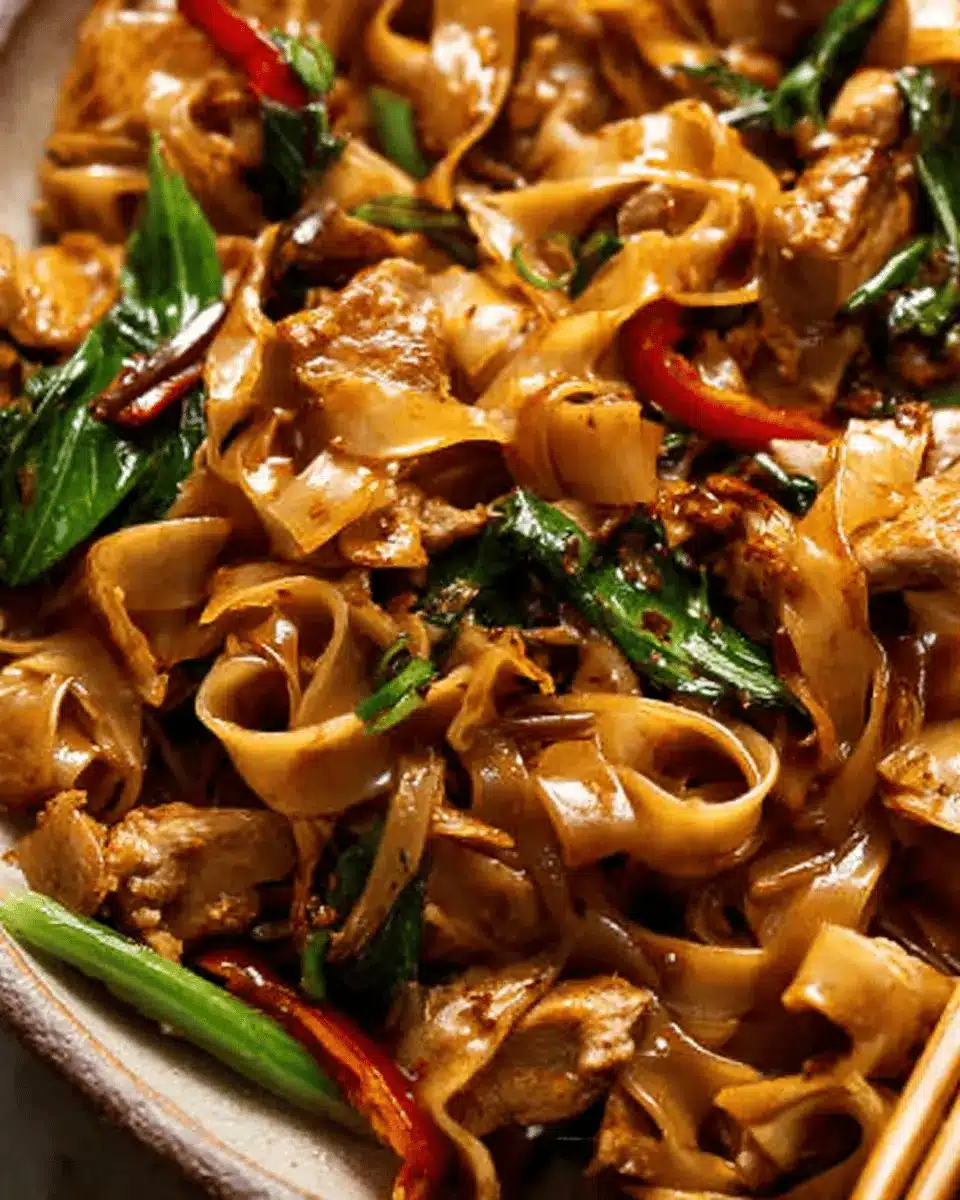
Variations on Thai Drunken Noodles
Vegetarian Version with Tofu
For a delightful vegetarian twist on Thai Drunken Noodles, swap out chicken for crispy tofu. Start by pressing tofu to remove excess moisture, then cube it and sauté until golden brown. Follow the original recipe, adding the tofu with the green onions. To enhance flavor, consider increasing the garlic and tossing in a splash of soy sauce for richness. This version packs protein and delicious texture, making it a fulfilling option for plant-based eaters.
Spicy Seafood Drunken Noodles
Love seafood? Transform your drunken noodles with a medley of shrimp, calamari, and fish. Simply sauté your seafood of choice in the wok until it’s just cooked and tender. Then, mix in the original ingredients and sauce for a fresh ocean-inspired dish. Adjust the chili level based on your spice tolerance—after all, it’s all about balance! This easy adaptation brings a vibrant coastal essence to the classic dish, making every bite feel like a beach getaway.
Looking for more inspiration? Check out Serious Eats for seafood pairings, or visit Minimalist Baker for additional vegetarian recipes!
Cooking tips for Thai Drunken Noodles
Tips for perfect seasoning
Achieving that perfect balance of flavors in your Thai Drunken Noodles is vital. Start with quality ingredients, especially your sauces. Use oyster sauce and both light and dark soy sauce to create a rich, umami flavor. Don’t forget to taste as you go! Adjust the amount of sugar if you prefer a hint of sweetness to counteract the spices. For more inspiration on Thai flavors, you might check out Thai FoodMaster.
How to adjust the spice level
If you love heat, stick to the original recipe's two chilies, but if you prefer a milder dish, consider reducing the chilies to one or leaving them out entirely. You can also use a dollop of chili paste for a more controlled spice kick. Always remember, it’s easier to add spice than to take it away, so start small and build up!
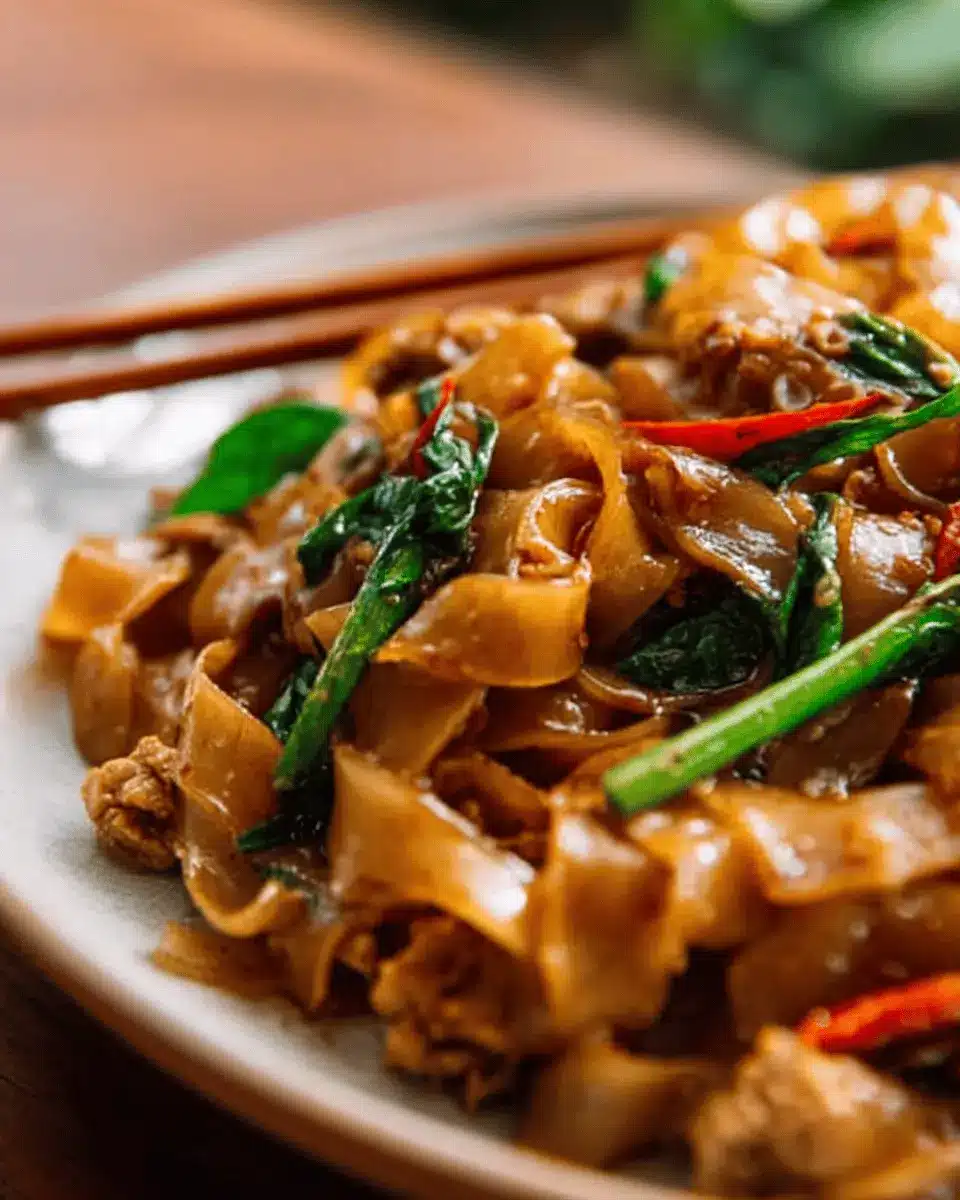
Serving suggestions for Thai Drunken Noodles
Pairing with sides and drinks
To elevate your Thai Drunken Noodles, consider pairing them with fresh sides like a zesty papaya salad or crispy spring rolls. These dishes add a refreshing contrast to the spicy noodles. For an alternative drink option, a cooling coconut water or a traditional iced Thai tea can perfectly balance the heat while enhancing the meal's authenticity. If you're feeling adventurous, try a fruity mocktail!
Presentation ideas for a homemade feast
Make your homemade feast visually appealing by serving your Thai Drunken Noodles in colorful bowls. Garnish with fresh basil leaves and lime wedges for a pop of color. Arrange your sides on a large platter, and consider candlelight or dim lighting to create an inviting atmosphere. Personal touches like personalized place cards can make the meal feel even more special. Don’t forget to lay out chopsticks alongside forks for fun!
Time breakdown for Thai Drunken Noodles
Preparation time
Get ready with your ingredients in just 10 minutes! This quick prep ensures you won’t miss a beat when it’s time to start cooking.
Cooking time
The actual cooking is a speedy 6 minutes. Once you heat that wok, everything comes together fast, making this dish a delightful and efficient weeknight option.
Total time
In just 16 minutes, you can have a delicious serving of Thai Drunken Noodles ready to be enjoyed. It’s a fantastic choice for those busy evenings when you've still got a craving for something tasty!
Nutritional Facts for Thai Drunken Noodles
Calories per Serving
A satisfying serving of Thai Drunken Noodles contains about 454 calories. Perfect for an energizing meal after a long day, this dish packs flavor without skimping on nutrition!
Protein Content
You'll gain approximately 22.9 grams of protein per serving, thanks to the chicken thighs. It’s a hearty option, ensuring you stay full and fueled throughout your busy day.
Sodium Levels
Keep an eye on your sodium intake, as this dish has around 223 mg of sodium per serving. Perfect for those looking to manage their salt consumption while still enjoying delicious flavors!
For further detail on sodium recommendations, consider checking resources from the American Heart Association. Such websites can provide you with balanced guidelines tailored to various diets.
FAQs about Thai Drunken Noodles
Can I use gluten-free noodles?
Absolutely! Thai Drunken Noodles can easily be made gluten-free by choosing rice noodles that are specifically labeled as such. Many brands offer gluten-free alternatives that deliver the same delightful texture and flavor. Just ensure to check the packaging before starting your culinary adventure.
How can I make it less spicy?
If you want to tone down the heat in your Thai Drunken Noodles, you have a few options:
- Reduce the chili: Start with just one bird’s eye chili or omit it entirely.
- Add sweetness: Incorporate a bit more sugar or serve with lime to balance the spice.
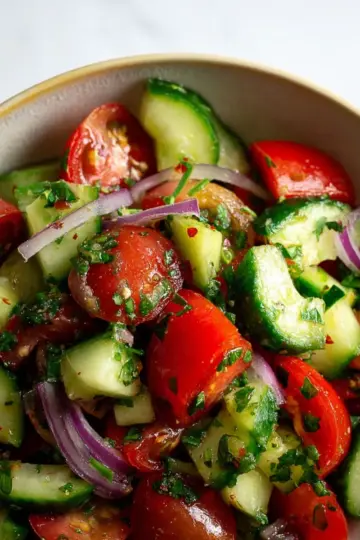
- Serve with a cooling side: Consider pairing your dish with a yogurt-based sauce or a refreshing cucumber salad.
What are the best substitutes for Thai basil?
While Thai basil contributes a unique anise flavor to the dish, it’s not the only option. You can substitute it with:
- Regular basil: This is the easiest replacement and widely available.
- Mint: For a fresh twist that complements the noodles well.
- Cilantro: Offers a bright taste that changes the profile of the dish.
Feel free to experiment and find the combination you love!
Conclusion on Thai Drunken Noodles
Recap of the Joy of Homemade Drunken Noodles
Creating your own Thai Drunken Noodles is truly a rewarding culinary experience. The vibrant flavors and inviting aromas that fill your kitchen are just the beginning. Enjoy the spice, savor the freshness of basil, and know that each bite brings a taste of Thailand right to your table. Embrace the joy of homemade cooking!
For more recipes inspired by Thai cuisine, check out Thai Food Essentials for tips and additional dishes you’ll love.
Thai Drunken Noodles
Equipment
- wok
- large heavy based skillet
Ingredients
Noodles
- 200 g dried rice noodles, wide Use wide noodles prepared per packet.
Stir Fry
- 2 tablespoon oil peanut, vegetable or canola
- 3 large cloves garlic minced
- 2 birds eye chilli or Thai chillies deseeded, very finely chopped
- 200 g chicken thighs cut into bite size pieces
- 2 teaspoon fish sauce or soy sauce
- 2 green onions cut into 3cm/2" pieces
- 1 cup Thai or Thai Holy Basil leaves sub regular basil
Sauce
- 3 tablespoon oyster sauce
- 1.5 tablespoon light soy sauce
- 1.5 tablespoon dark soy sauce
- 2 teaspoon sugar
- 1 tablespoon water
Instructions
Instructions
- Prepare noodles per packet directions.
- Mix Sauce in a small bowl.
- Heat oil in wok or large heavy based skillet over high heat.
- Add garlic and chilli and cook for 10 seconds. Don't inhale - the chilli will make you cough!
- Add onion, cook for 1 minute.
- Add chicken and fish sauce, and fry until cooked, around 2 minutes.
- Add green onion, noodles and sauce and cook for 1 minute until the sauce reduces and coats the noodles.
- Remove from heat and immediately add basil, toss until just wilted, then serve immediately.


Leave a Reply