
Introduction to Vietnamese Pho Recipe
Why Pho is the Ultimate Comfort Food
If you’ve ever had a bowl of Vietnamese pho, you know there’s something magical about this traditional soup. It's not just a meal; it’s an experience filled with rich flavors and fragrant herbs, making it the perfect addition to any comfort food repertoire. The secret to pho lies in its broth, a meticulous concoction that simmers for hours, building a depth of flavor that warms both body and soul.
What makes pho particularly special is its versatility. You can tailor it to your taste with an array of toppings like beansprouts, Thai basil, and a splash of lime. Even seasoned chefs often find joy in experimenting with their unique variations. Did you know that pho originated from Northern Vietnam and has evolved over the years? Culinary experts note that this dish is a delightful mix of French and Asian influences.
So, whether you’re looking for a cozy night-in with a comforting bowl or hoping to impress guests at your next dinner party, this Vietnamese pho recipe is your ticket to culinary happiness. Don’t just take our word for it – grab your apron and experience the joy of creating a dish that transcends cultures and tastes!
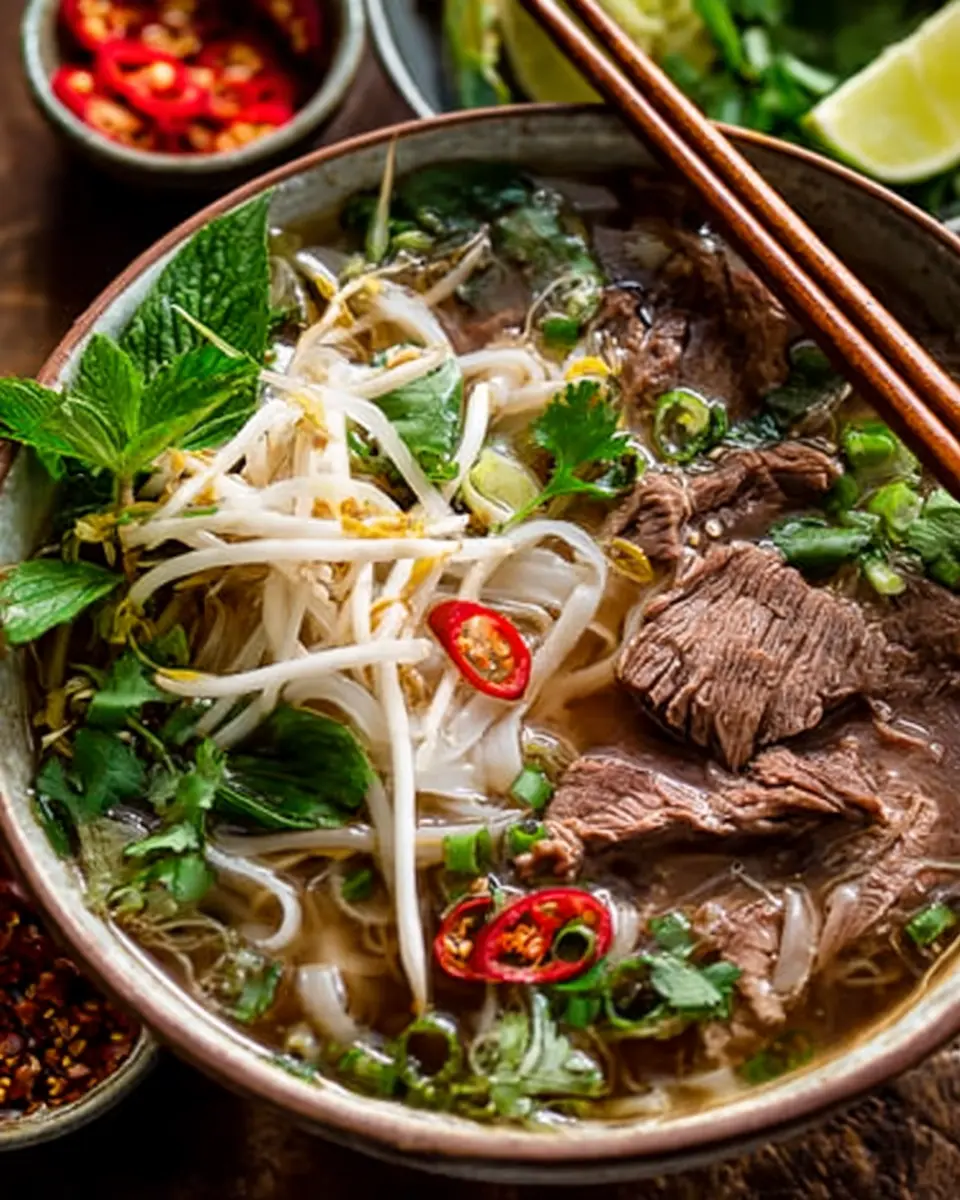
Ingredients for Vietnamese Pho
Creating your own Vietnamese Pho recipe at home might seem daunting, but the secret lies in sourcing the right ingredients. Here’s a concise guide to help you gather what you need!
Essential Aromatics
Start with the aromatic duo that sets the stage for your rich broth. You’ll need:
- 2 large onions (halved)
- 150g ginger (sliced down the middle)
To bring out their flavors, char them in a dry skillet until they’ve developed a smoky aroma.
Spice Essentials
Spices are the heart of the broth. Gather the following:
- 10 star anise
- 4 cinnamon quills
- 4 cardamom pods
- 3 cloves
- 1.5 tablespoon coriander seeds
Lightly toasting these spices will elevate their flavors, ensuring your Pho is aromatic and inviting.
Beef Bones and Meat
For a deeply flavorful broth, quality cuts are crucial:
- 1.5kg beef brisket
- 1kg meaty beef bones
- 1kg marrow bones (cut to expose marrow)
These ingredients provide the rich, robust flavors that characterise authentic Pho.
Noodle Soup Specifics
The noodles are the backbone of your Pho. Choose:
- 50g dried rice sticks (or 120g fresh)
Pair these with mouthwatering beef, sliced thinly for a perfect texture.
Toppings to Elevate Your Pho
Finally, toppings can really make your Pho sing! Consider including:
- Beansprouts
- Thai basil
- Fresh coriander/cilantro
- Lime wedges
- Finely sliced red chili
- Hoisin sauce and Sriracha
Feel free to mix and match according to your taste preferences! Now you’re all set to create an unforgettable Vietnamese Pho recipe. Happy cooking!
Preparing Vietnamese Pho
Making an authentic Vietnamese pho is a rewarding experience that invites warmth and comfort into your kitchen. While it may seem daunting, breaking the process down into clear steps can help you master this delicious dish with ease. Let’s dive into the preparation!
Char the aromatics
The first step is essential for developing that rich, smokey flavor in your broth.
- Heat a heavy-based skillet over high heat until it's smoking.
- Place halved onions and sliced ginger cut side down in the pan.
- Allow them to char for a few minutes before flipping them over. Once charred, remove and set aside.
This step releases aromatic oils and prepares your pan for the spices, which brings us to the next stage. Don’t skip this – it’s pivotal for the depth of flavor!
Prepare and rinse the beef bones
Rinsing your beef bones and brisket keeps your broth clear and prevents impurities from muddling up the flavor.
- Rinse the bones and brisket under cold water, then place them in a large stockpot, covering them with water.
- Bring the water to a boil for about 5 minutes, then drain and give each piece a good rinse under tap water.
This might seem tedious, but your effort will be rewarded with a clear, beautiful broth that’s the hallmark of a great Vietnamese pho recipe.
Create the rich broth
Now, onto the star of the show – the broth.
- Wipe the pot clean and add 3.5 liters of water. Bring it to a boil.
- Add your prepared bones, brisket, charred onions, and ginger, along with your toasted spices, sugar, and salt. Ensure the water barely covers all the ingredients.
- With the lid on, let it simmer for about 3 hours.
Make sure to check occasionally, and leave it uncovered for the last 40 minutes. This will enhance the flavors and concentrate that savory essence you crave!
Cook noodles and beef
As your broth simmers, prepare your rice noodles.
- Follow the package instructions for cooking your dried rice sticks. They typically just need a brief soak or boil.
- Thinly slice your beef tenderloin (if using raw) after partially freezing it. This makes for nice, paper-thin slices.
No one likes overcooked beef in their soup, and this method ensures a perfect medium-rare when hot broth is ladled over!
Assemble your Pho bowls
Your kitchen should be filled with tantalizing aromas by now. Time to bring it all together!
- First, place a generous serving of noodles in a bowl, then layer with the raw slices of beef and a few brisket slices.
- Ladle 400ml (about 14 oz) of that hot, fragrant broth over the noodles. The heat will gently cook the raw beef.
- Serve with an array of toppings on the side, like crunchy bean sprouts, fragrant basil, and zesty lime.
Every bowl can be customized to taste, making it a fun and interactive meal for everyone.
Now you’re ready to savor your homemade Vietnamese pho! Enjoy the process and the company, as nothing beats sharing a delightful meal with friends or family. For an expert guide on authentic Pho secrets, check out Vietnamese Cooking Class. Happy cooking!
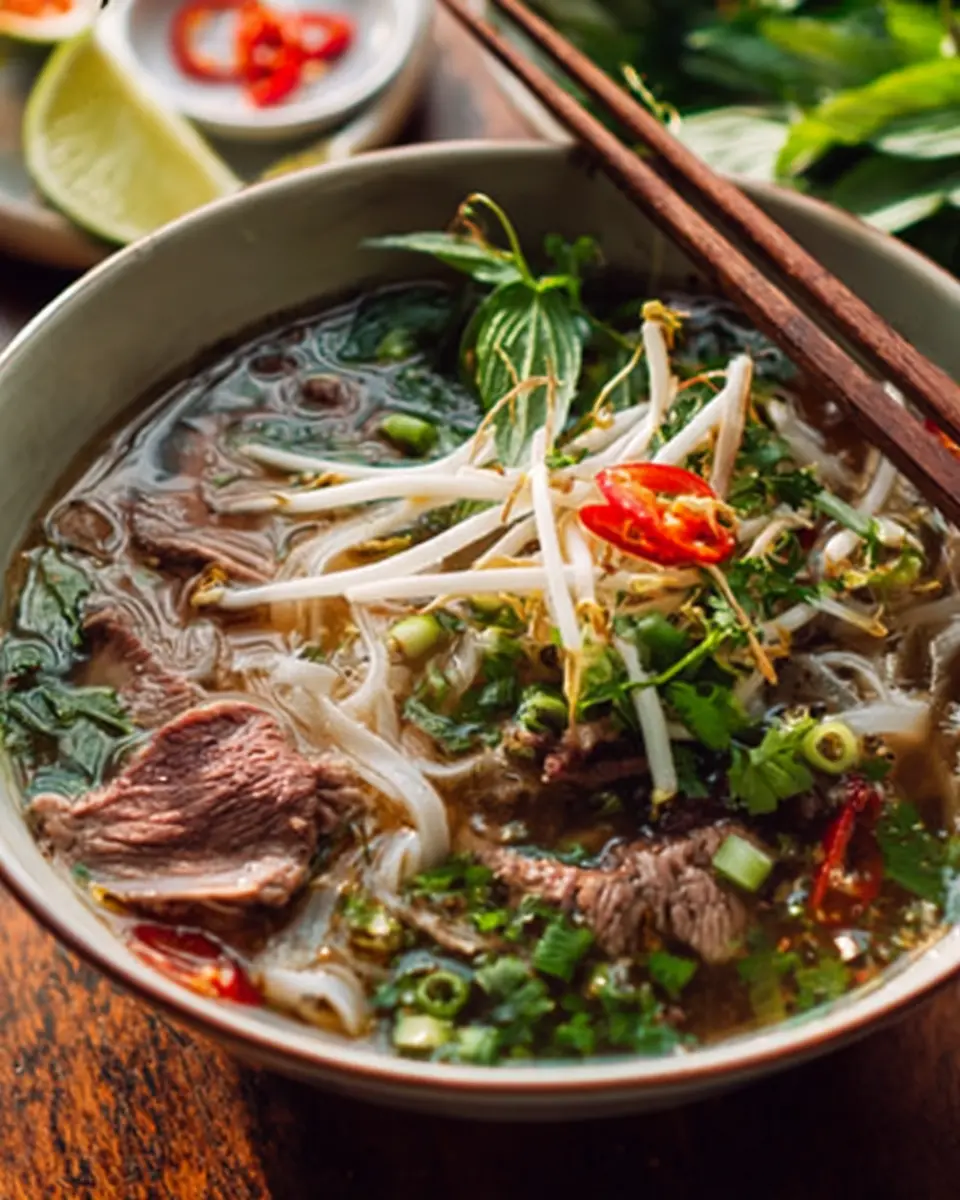
Variations on Vietnamese Pho
Vegetarian Pho Options
For those embracing a vegetarian or vegan lifestyle, Vietnamese pho can still deliver its heartwarming flavors! You can easily substitute the traditional beef broth with a rich vegetable stock infused with similar spices and herbs, such as star anise, ginger, and cinnamon. Add tofu, mushrooms, and plenty of fresh vegetables to create a balanced, satisfying bowl. Don't forget your toppings—bean sprouts, fresh herbs like cilantro, and lime juice can elevate the dish immeasurably!
Substituting Meats in Pho
If you’re not a fan of beef or simply want to mix things up, several protein options work wonderfully in a Vietnamese pho recipe. Consider using chicken bones for a lighter broth, or swap in turkey bacon for a smoky flavor. Seafood, like shrimp or fish, can also provide a delightful twist. The key is to ensure your stock is rich and aromatic, so the broth remains the star of the show. Explore different meats and discover your favorite combination!
Cooking tips and notes for Vietnamese Pho
Achieving the best broth flavor
For an authentic Vietnamese pho recipe, the secret lies in the broth. Start by charring onions and ginger, as this adds depth and a smoky essence. Toast your spices gently to unlock their aromas—think star anise and cinnamon dancing in the pan. Don't rush the simmering process; allowing the broth to cook for at least three hours extracts rich flavors from the bones and brisket. Adjust seasoning carefully; you want a balance of savory, slightly sweet, and fragrant.
Storing and reheating your pho
Leftover pho is a treat! To store, separate the broth from noodles and toppings to keep everything fresh. The broth can last in the fridge for up to four days, or you can freeze it for a cozy meal later. When reheating, gently warm the broth and bring it to a simmer before adding fresh noodles and toppings. This way, you’ll enjoy a steaming bowl just as delightful as the first. For more storage tips on soups, check out this article.
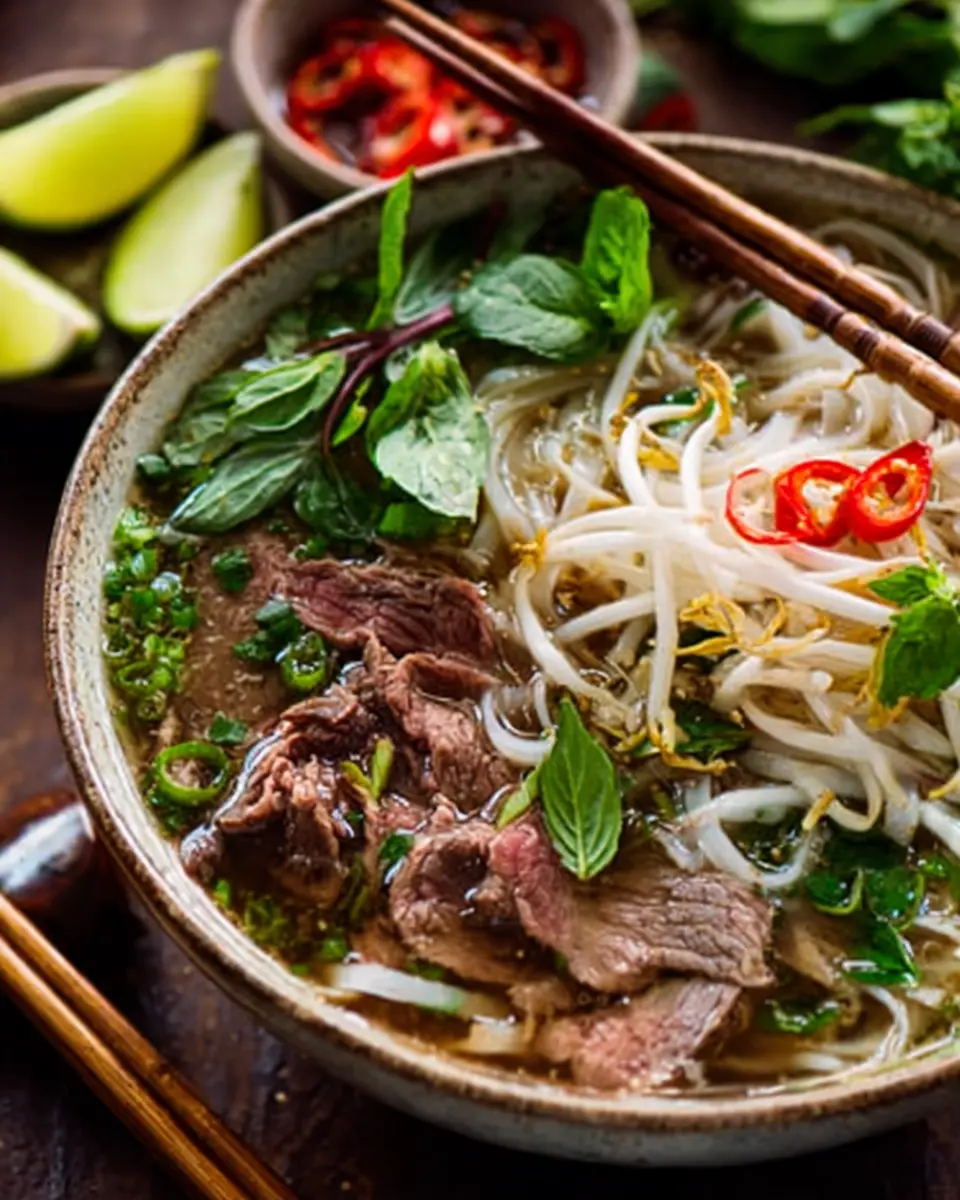
Serving suggestions for Vietnamese Pho
Traditional serving styles
When enjoying your delicious Vietnamese Pho, presentation matters! Traditionally, each bowl features tender noodles, rich broth, and sliced beef, allowing diners to customize their experience. Set the table with fresh herbs like Thai basil, coriander, and lime wedges so guests can tailor each bite to their taste. The beauty of Pho is in its personalization—encourage diners to add bean sprouts and sliced chili for extra crunch and heat.
Pairing sides and drinks
Enhance your Pho experience with delightful sides and beverages. Consider serving a side of Vietnamese spring rolls, which add a delicious crunch to your meal. For drinks, iced green tea or a refreshing lemonade perfectly complements the broth's richness. If you’re feeling adventurous, try a Vietnamese iced coffee for a caffeine boost post-meal! Check out this guide on Vietnamese beverages for more pairing ideas.
Time Breakdown for Vietnamese Pho
When it comes to mastering the art of a traditional Vietnamese Pho recipe, understanding the time commitment can really help in planning your meal. Here’s a quick breakdown:
Preparation Time
Set aside about 20 minutes to gather your ingredients and prepare the aromatics. This includes charring onions and ginger.
Cooking Time
You'll want to dedicate approximately 3 hours for cooking the broth to get that rich, deep flavor. Patience is key!
Total Time
In total, you’ll need about 3 hours and 20 minutes from start to finish. Trust me, the incredible taste is worth every minute!
If you're new to this classic dish, don’t worry! Check out more tips and insights in our full Vietnamese Pho recipe. Happy cooking!
Nutritional Facts for Vietnamese Pho
Understanding the nutritional content of your favorite dishes can enhance your cooking experience. Here’s a quick overview of the Vietnamese Pho recipe:
Calories
A single serving of this delightful pho contains approximately 450 calories. This makes it a filling yet light option for lunch or dinner.
Protein
Packed with flavor and nourishment, each bowl of pho delivers around 25 grams of protein. This is primarily from the beef and the broth, making it a great choice for those needing a protein boost.
Sodium
While delicious, keep an eye on the sodium content, which can be around 950 mg per serving. If you're watching your sodium intake, consider using less fish sauce or opting for low-sodium alternatives.
For a deeper dive into the nutritional benefits of the ingredients used in this Vietnamese Pho recipe, feel free to check out Healthline for more insights!
FAQs about Vietnamese Pho
How can I make pho vegetarian-friendly?
If you're looking to enjoy a hearty bowl of Vietnamese pho without meat, simply swap the beef broth for a vegetable broth. You can create a flavorful base using roasted vegetables like onions and carrots, along with a mix of umami-rich ingredients such as mushroom broth and soy sauce. For the noodles, ensure you pick rice noodles, which are naturally vegetarian. Garnish with a medley of fresh herbs, bean sprouts, and lime for that classic pho experience. You can check out more details on vegetarian options here.
What should I serve with pho?
While Vietnamese pho is delicious on its own, serving it with sides enhances the experience. Consider crunchy spring rolls or banh mi sandwiches for a delightful complement. Side sauces like hoisin and sriracha can add extra layers of flavor. A refreshing salad with lime or mango adds a bright contrast too!
Can I freeze pho broth?
Absolutely! Freezing pho broth is a great way to preserve its rich flavors. Allow the broth to cool, then store it in airtight containers or freezer bags, leaving some room for expansion. It can last up to three months in the freezer. When you're ready to enjoy it again, just reheat it gently on the stove.
Conclusion on Vietnamese Pho
In summary, this Vietnamese Pho recipe invites you to explore deep, rich flavors while enjoying a comforting bowl of soup. Whether you’re a seasoned cook or a novice, the process is rewarding. Savor the aromatic broth, tender beef, and fresh herbs, and embrace the heart of Vietnamese cuisine. Explore more about its history here!
Vietnamese Pho recipe
Equipment
- heavy based skillet
- large stock pot
- dry skillet
Ingredients
Aromatics
- 2 large onions halved
- 150 g ginger sliced down the centre
Spices
- 10 star anise
- 4 cinnamon quills
- 4 cardamon pods
- 3 cloves the spice cloves!
- 1.5 tablespoon coriander seeds
Beef bones
- 1.5 kg beef brisket
- 1 kg meaty beef bones
- 1 kg marrow bones cut to reveal marrow
- 3.5 litres water (15 cups)
Seasoning
- 2 tablespoon white sugar
- 1 tablespoon salt
- 40 ml fish sauce
Noodle Soup - PER BOWL
- 50 g dried rice sticks (or 120g/4oz fresh)
- 30 g beef tenderloin raw, very thinly sliced
- 3 - 5 slices brisket used for broth
Toppings
- 1 handful beansprouts
- 3 - 5 sprigs Thai basil
- 3 - 5 sprigs coriander/cilantro (or more basil)
- lime wedges *
- finely sliced red chilli *
- hoisin sauce *
- sriracha (for spiciness)
Instructions
Aromatics
- Heat a heavy based skillet over high heat (no oil) until smoking.
- Place onion and ginger in pan cut side down. Cook for a few minutes until it's charred, then turn. Remove and set aside.
- Toast Spices lightly in a dry skillet over medium high heat for 3 minutes.
Remove impurities
- Rinse bones & brisket then cover with water in large stock pot.
- Boil for 5 minutes, then drain.
- Rinse each bone and brisket under tap water.
Broth
- Wipe pot clean, bring 3.5 litres / 3.75 quarts water to boil.
- Add bones and brisket, onion, ginger, Spices.
- Add onion, ginger, Spices, sugar and salt - water should just barely cover everything.
- Cover with lid, simmer 3 hours.
- Remove brisket (should be fall-apart tender), cool then refrigerate for later.
- Simmer remaining soup UNCOVERED for 40 minutes.
- Strain broth into another pot, discard bones and spices. Should be about 2.5 litres / 2.65 quarts (10 cups), if loads more, reduce.
- Add fish sauce, adjust salt and sugar if needed. Broth should be beefy, fragrant with spices, savoury and barely sweet.
Assemble
- Prepare rice noodles per packet, just prior to serving.
- Place noodles in bowl. Top with raw beef and brisket.
- Ladle over about 400 / 14 oz hot broth - will cook beef to medium rare.
- Serve with Toppings on the side!
Leave a Reply