
Introduction to Homemade Freezer-Friendly Pizza Dough
Making your own pizza dough at home has its perks, especially when you consider the taste and quality you'll achieve. Nothing beats the satisfaction of kneading your dough, knowing exactly what goes into it, and controlling the ingredients to suit your preferences. Plus, when you whip up a homemade freezer-friendly pizza dough, you gain flexibility and freshness in your everyday meals without the hassle of starting from scratch every time.
Freezing pizza dough comes with a host of advantages. For instance, by preparing multiple portions at once, you can easily pull a batch from the freezer anytime you crave a cozy night in with pizza. Did you know that homemade dough can be stored in the freezer for up to three months? This allows you to avoid last-minute takeout and create gourmet pizzas right in your kitchen with minimal effort. All you need to do is thaw, shape, and top with your favorite ingredients—making mealtime a breeze!
For more information on the benefits of making your own dough, check out this helpful resource on the health benefits of homemade meals from the Harvard Nutrition Source.
With a little preparation, you can enjoy delicious, homemade pizza any night of the week!
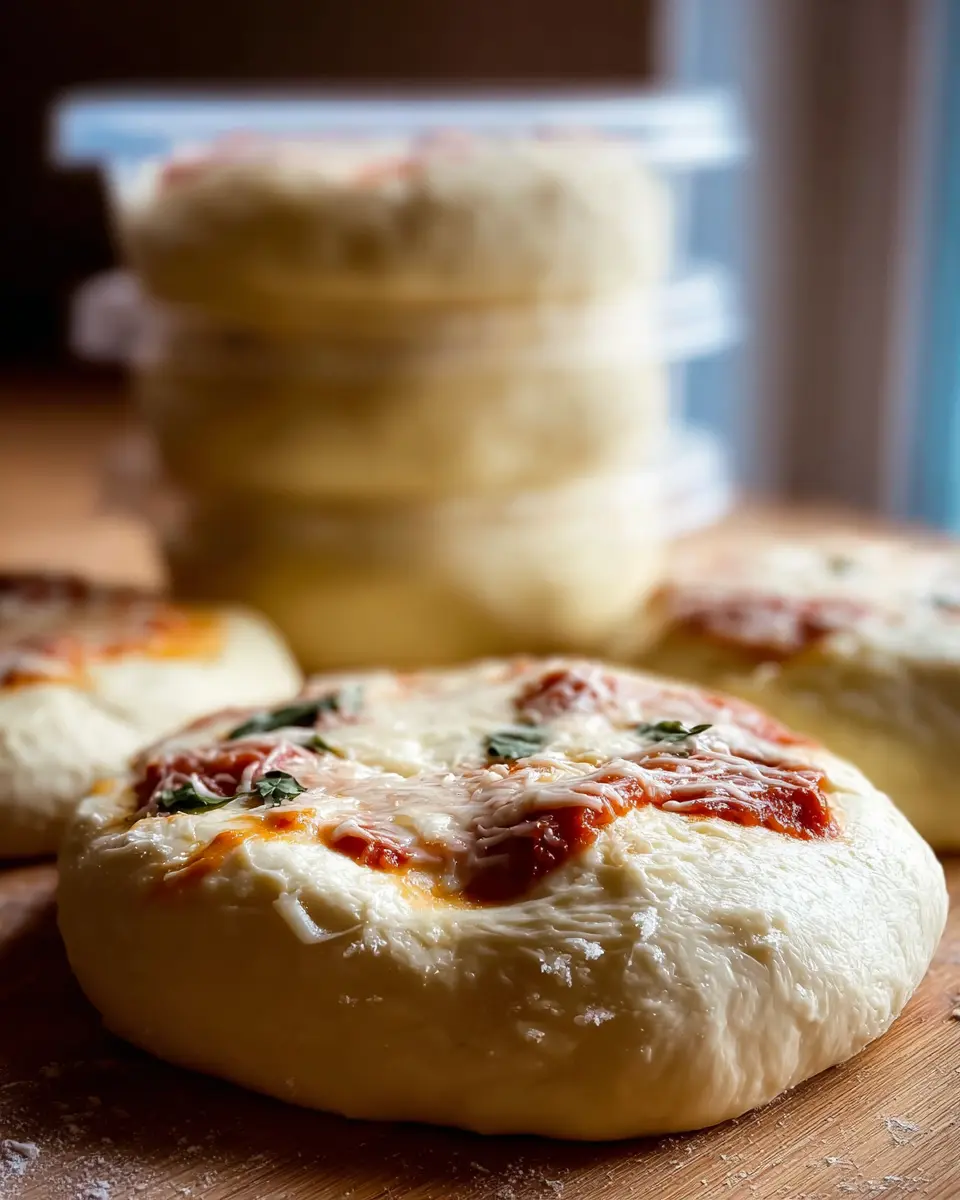
Ingredients for Homemade Freezer-Friendly Pizza Dough
Essential ingredients overview
Creating your own homemade freezer-friendly pizza dough is simpler than you might think, with just a few essential ingredients. Here’s what you'll need:
- Bread Flour: This gives the dough a chewy texture. You can also experiment with all-purpose flour if you prefer.
- Sourdough Starter: A live culture adds flavor and can enhance the health benefits.
- Olive Oil & Lard: Both contribute to a rich flavor and tender crust. Feel free to swap lard with coconut oil or butter if you wish to keep it dairy-free.
- Water, Sugar, and Salt: These ingredients are crucial for activating the yeast and enhancing flavor.
Ingredient substitutions and preferences
If you’re out of something or have dietary preferences, you have options! Replace lard with vegetable oil for a vegan version, or use honey in place of sugar if you prefer a more natural sweetener. Want a whole grain option? Use whole wheat flour in place of all-purpose flour. For more on making dough adjustments, check out this guide on different types of flour.
This flexibility and adaptability make preparing your homemade freezer-friendly pizza dough not only convenient but also personalized to fit your taste!
Preparing Homemade Freezer-Friendly Pizza Dough
Making your own pizza dough not only enhances the flavor of your pizzas but also provides the convenience of having homemade freezer-friendly pizza dough ready when cravings strike. Let's dive into the steps together!
Gather and measure ingredients
Before you get started, it's vital to ensure you have everything you need. For this recipe, you'll need:
- 1000 g bread flour
- 200 g sourdough starter
- 750 g water
- 30 g olive oil
- 30 g lard (or substitute another fat)
- 60 g sugar
- 20 g salt
Measuring accurately is key; using a kitchen scale can help ensure precision. Having everything prepped allows for a smoother mixing process and sets the stage for a delightful pizza night!
Mixing the dough
In a large mixing bowl, combine all your ingredients. After mixing them together, let the dough rest for about 20 minutes. This resting period, known as autolyse, allows the flour to fully absorb the water and enzymes to begin breaking down the starches, enriching the dough's flavor and texture.
The stretch and fold technique
Once your dough has rested, it’s time to work it! Over the next 2 hours, you’ll perform the stretch and fold technique. Every 20 minutes, reach into the bowl, grab a portion of dough, and stretch it upwards before folding it back over itself. This builds strength in the dough and enhances gluten development, making your pizza crust wonderfully chewy. You’ll repeat this six times!
Fermentation process explained
After the stretch and fold sessions, allow your dough to ferment at room temperature for an additional 2 hours. This is where the magic happens! The dough will expand and develop flavor due to the action of yeast and bacteria from your sourdough starter. A gentle increase in volume indicates that your dough is ready for the next step.
Dividing and shaping dough portions
Now comes the fun part! Once your dough has beautifully fermented, divide it into portions weighing between 280–300 grams. Roll each portion into a smooth ball by tucking the edges underneath. The goal is to create a tight, round shape, which will help maintain structure while baking.
Freezing the dough properly
To ensure your homemade freezer-friendly pizza dough remains fresh, place each ball into lightly oiled plastic containers. Seal them well to prevent freezer burn, then pop them into the freezer. When you’re ready to bake, simply thaw a portion in the fridge overnight, and you’ll have fresh pizza dough at your fingertips!
With these simple steps, you'll have homemade pizza dough ready for family gatherings, casual dinners, or late-night cravings. Excited to whip up your creations? You might also want to check out this guide on pizza toppings for some inspiration! Happy pizza-making!
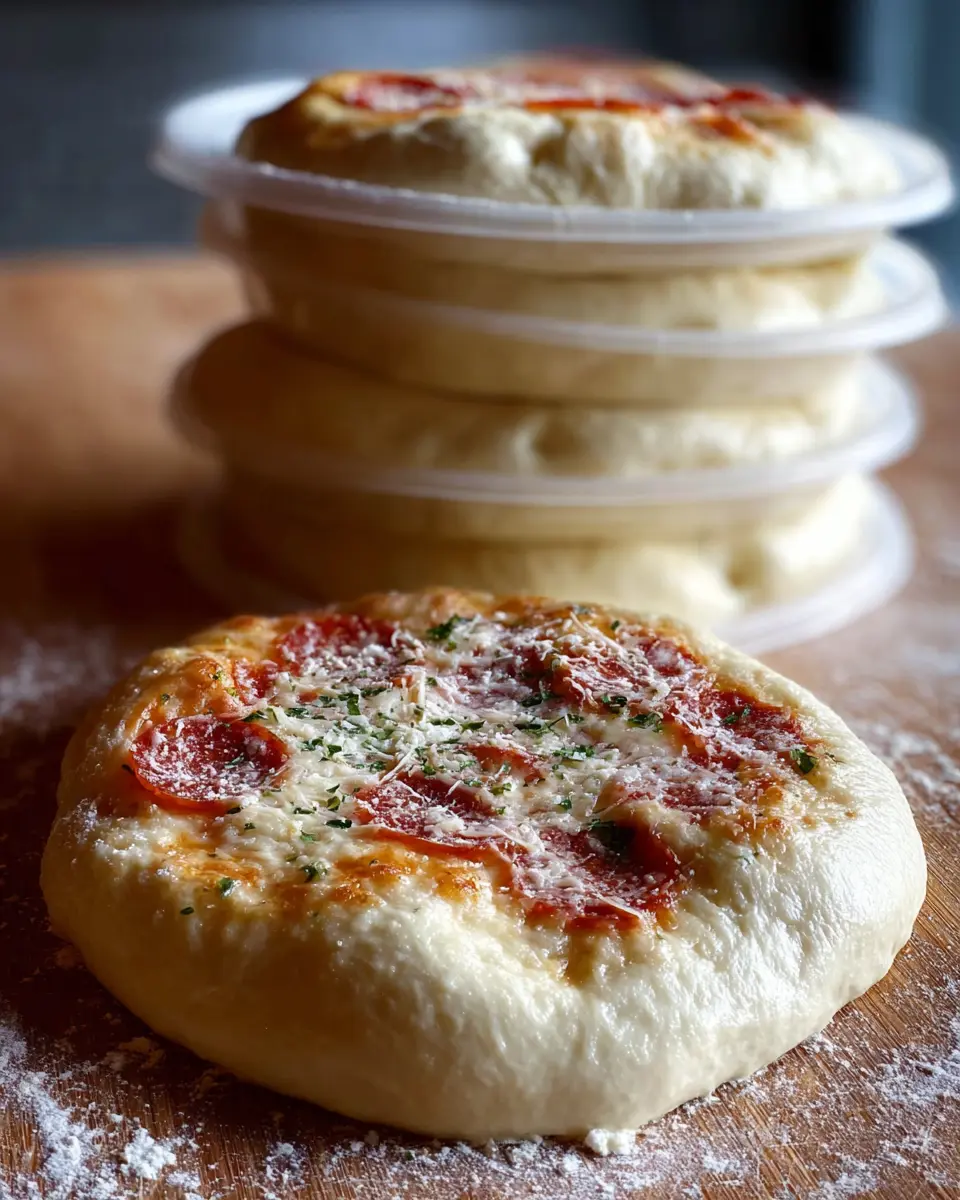
Variations on Homemade Freezer-Friendly Pizza Dough
Whole Wheat Pizza Dough
If you're looking for a healthier twist, consider making your homemade freezer-friendly pizza dough with whole wheat flour. It adds a nutty flavor and is packed with fiber, making it a great option for those wanting extra nutrients. Simply substitute half or all of the bread flour with whole wheat flour in the recipe. You might need to adjust the hydration slightly, so keep an eye on the dough's consistency!
Gluten-Free Pizza Dough Options
Got gluten sensitivities? No worries! Transform your homemade freezer-friendly pizza dough by using a gluten-free flour blend. Look for mixes that include xanthan gum for better texture. You can also create your own blend with almond flour, tapioca flour, and brown rice flour. Just follow the same instructions once you've combined your ingredients, and you'll have delicious gluten-free dough ready for pizza night!
For more information on gluten-free baking, check out Gluten-Free Baking Academy.
Cooking Tips and Notes for Homemade Freezer-Friendly Pizza Dough
Techniques to Improve Texture
To achieve that perfect chewy crust for your homemade freezer-friendly pizza dough, consider using bread flour, which has a higher protein content. This enhances gluten development, resulting in a wonderful texture. Incorporating a sourdough starter not only adds flavor but helps with the dough's elasticity. Each folding session during fermentation is crucial; it helps create a light and airy crust once baked. For more on the science of dough elasticity, check out this article.
Common Mistakes to Avoid
When making your homemade freezer-friendly pizza dough, avoiding common pitfalls will lead to better results. Be careful not to add too much flour; measuring accurately is key. Over-kneading can also make the dough tough, so stick to the stretch and fold technique. Lastly, don’t skip the fermentation step! Allowing your dough to rise properly develops flavor and texture. If you're a bit unsure about the timing, refer to expert insights on fermentation here.
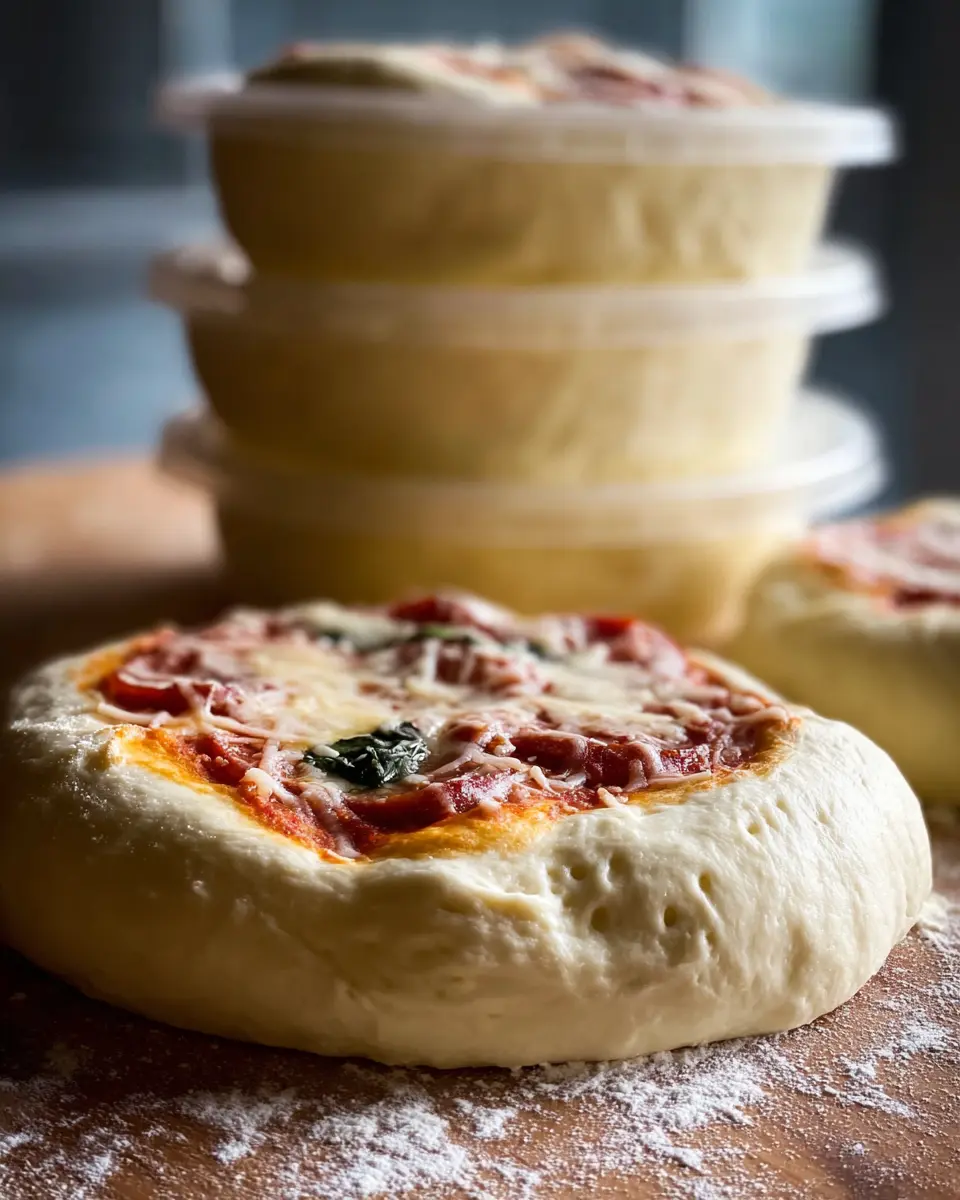
Serving suggestions for Homemade Freezer-Friendly Pizza Dough
Toppings that pair well
When crafting the perfect pizza with your homemade freezer-friendly pizza dough, the options are virtually limitless. Classic combinations like fresh mozzarella, basil, and ripe tomatoes never disappoint. For a twist, try adding turkey bacon, sautéed bell peppers, or even chicken ham for a savory touch. If you’re a vegetarian, consider caramelized onions, mushrooms, and a drizzle of balsamic glaze. Don’t forget to top it all off with a sprinkle of red pepper flakes for an extra kick!
Sides and drinks to complement your pizza
Every great pizza deserves a sidekick! Pair your slices with a fresh arugula salad dressed in lemon vinaigrette for a refreshing contrast. Add some crunchy garlic bread or roasted vegetables to round out the meal. As for drinks, sparkling water with a splash of citrus or a light iced tea can enhance your dining experience without overpowering the flavors of your delicious pizza. With these suggestions, you’ll turn your homemade pizza night into a feast!
Time Breakdown for Homemade Freezer-Friendly Pizza Dough
Preparation Time
Getting started with your homemade freezer-friendly pizza dough is a breeze! The preparation takes about 20 minutes. Simply mix your ingredients, let them rest, and you're on your way to delicious pizza night.
Fermentation Time
After the initial prep, the dough will need to ferment for a total of 2 hours. This includes six rounds of stretch and fold every 20 minutes, plus an additional two-hour rise at room temperature. This step is essential for developing that perfect flavor and texture.
Freezing Time
Once your dough is portioned and rolled into balls, it’s time for the freezer. Allow about 30 minutes for each portion to freeze in containers before transferring them to long-term storage. With just a little planning, you can enjoy fresh pizza any night!
Nutritional Facts for Homemade Freezer-Friendly Pizza Dough
Calories per Portion
One serving of this homemade freezer-friendly pizza dough, which weighs approximately 280-300 grams, contains around 650-700 calories. This means you can enjoy a delightful pizza without sacrificing too much of your daily caloric intake!
Carbohydrates and Protein Content
In each portion, you'll find about 120 grams of carbohydrates and around 15 grams of protein. The dough provides an excellent base for your pizza toppings, balancing carbs for energy and protein for nourishment. For more detailed nutritional insights, check out resources like NutritionData and MyFitnessPal.
Feeling empowered to whip up your own pizza? Remember, with this recipe, you've got the foundation for countless delicious creations ready to go!
FAQs about Homemade Freezer-Friendly Pizza Dough
How long can I keep frozen pizza dough?
You can keep your homemade freezer-friendly pizza dough in the freezer for up to three months. For the best results, ensure it’s well-sealed in airtight containers to prevent freezer burn. When you're ready to use it, just thaw it in the fridge overnight for perfect results.
Can I use regular flour in this recipe?
While bread flour gives your dough a wonderful texture and rise, you can absolutely use all-purpose flour for this recipe. Just keep in mind that your homemade pizza dough might be a bit less chewy and have a different structure. If you're curious about experimenting with other flours, check out this flour guide.
What if my dough isn’t rising?
If your dough isn't rising, don't panic! This could be due to a few factors, such as using old yeast or an incorrect temperature. Ensure your yeast is fresh and that the environment is warm enough for rising. A good trick is to preheat your oven to the lowest setting for a minute, then turn it off and place your dough inside to rise.
Conclusion on Homemade Freezer-Friendly Pizza Dough
Incorporating homemade freezer-friendly pizza dough into your meal prep routine not only saves time but also elevates your pizza nights. With simple ingredients and a quick freezing process, you can enjoy fresh, delicious pizza whenever cravings hit. Give it a try, and unleash your creativity with toppings!
Homemade Freezer-Friendly Pizza Dough
Equipment
- mixing bowl
- Plastic containers
Ingredients
- 1000 g bread flour
- 200 g sourdough starter
- 750 g water
- 30 g olive oil
- 30 g lard Can be substituted for another fat if desired.
- 60 g sugar
- 20 g salt
Instructions
- Combine all ingredients in a large mixing bowl and let rest for 20 minutes.
- Perform the stretch and fold process every 20 minutes for 2 hours, completing six sets.
- Allow the dough to ferment for an additional 2 hours at room temperature.
- Divide the dough into portions weighing 280–300 grams.
- Roll each portion into a smooth ball and place in lightly oiled plastic containers.
- Seal the containers and place them in the freezer.



Leave a Reply