
Introduction to Lazy Baker's No-Bulk-Fermentation Sourdough Bread
If you've ever dreamt of baking your own sourdough bread but felt overwhelmed by the process, you're in for a treat. With the Lazy Baker’s No-Bulk-Fermentation Sourdough Bread, you'll find that delicious, airy loaves can be achieved with minimal fuss. This method strips away the lengthy bulk fermentation, making it ideal for busy lifestyles without sacrificing flavor or texture.
Why is sourdough bread worth the effort?
There's something truly special about sourdough bread. Not only does it boast a tangy flavor and chewy texture, but it’s also incredibly versatile. Whether enjoyed as part of a hearty breakfast or paired with your favorite cheese during a light dinner, sourdough always impresses.
Moreover, the fermentation process breaks down the gluten and makes the bread easier to digest, which is an added bonus for many. According to experts, sourdough culture can even offer gut health benefits.
With our easy recipe, you can feel like a baking pro in no time. Just imagine pulling a gorgeous loaf from the oven, its crust crackling as it cools. You’ll be delighted to share this homemade goodness with friends and family, or maybe just savor it for yourself! Are you ready to dive in? Let's get started on your baking adventure!
For more tips and techniques, check out resources from the King Arthur Baking Company or The Sourdough School.
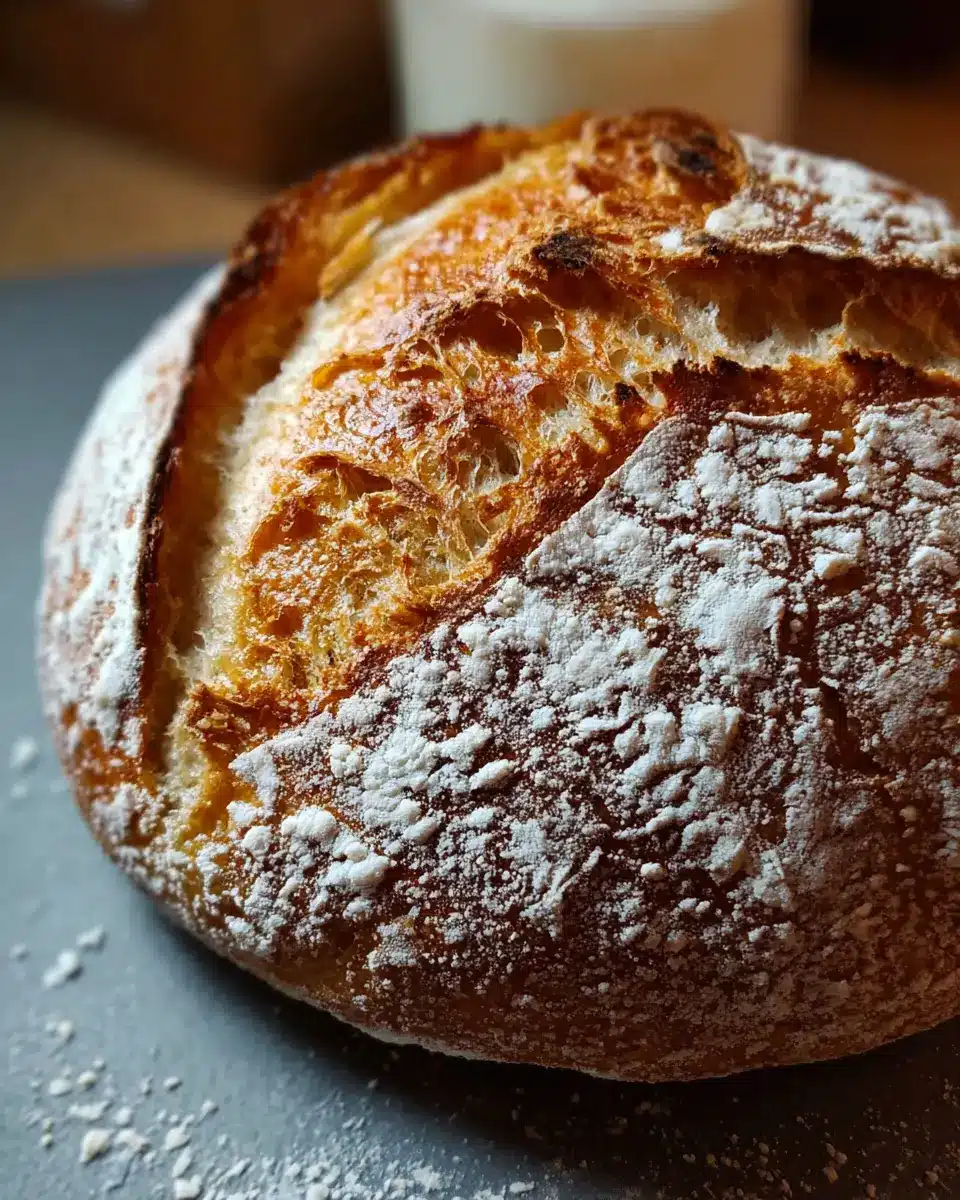
Ingredients for Lazy Baker's No-Bulk-Fermentation Sourdough Bread
Essential ingredients for perfect sourdough
When it comes to baking the lazy baker’s no-bulk-fermentation sourdough bread, using the right ingredients can make all the difference. Here’s what you’ll need:
- King Arthur Bread Flour (500g): A high-quality flour with a robust gluten structure, ideal for achieving that delightful rise and chewiness.
- Active sourdough starter (100g): Ensure your starter is bubbly and fed; this is your bread's lifeline!
- Water (350g, room temperature): This helps create the perfect dough hydration.
- Salt (15g): Essential for flavor and controlling fermentation.
The importance of using quality flour
Quality flour, like King Arthur Bread Flour, is crucial. It offers a higher protein content, which translates to better gluten development and texture in the final product. Think of high-quality flour as the foundation of your baking — it's what gives your loaf that beautiful airy crumb and golden crust. For a deeper dive into flour types and their properties, check out King Arthur Baking’s guide. Your bread deserves the best, after all!
Step-by-Step Preparation for Lazy Baker's No-Bulk-Fermentation Sourdough Bread
Baking sourdough doesn’t need to be a lengthy, complicated process. With this lazy baker’s no-bulk-fermentation sourdough bread method, you can create a stunning loaf with rich flavor and beautiful texture, all while keeping it simple and manageable.
Combine Your Ingredients
Start by gathering your ingredients: 500g of King Arthur Bread Flour, 100g of active sourdough starter (make sure it’s bubbly and fed), 350g of water (at room temperature), and 15g of salt. In a large mixing bowl, combine the flour and water first, ensuring all the flour is hydrated. Mix until there are no dry pockets left. Add in the sourdough starter, and mix again to incorporate thoroughly. Set the timer for one hour—this rest allows the dough to begin developing flavor and gluten structure.
Let the Dough Rest and Develop Flavor
During this hour, the dough will undergo a magical transformation. The flour will absorb water, and natural fermentation will begin to kick in. It’s a perfect opportunity to prep your kitchen or catch up on your favorite show—who said baking can’t be a leisure activity?
Salt and Stretch Your Dough
Once the hour is up, add the salt to your dough. Salt not only seasons the bread but also strengthens the gluten structure. After incorporating the salt, you’ll want to perform a series of stretch and folds over the next two hours. Every 30 minutes, gently stretch one side of the dough and fold it over itself, rotating the bowl as you go. This technique helps build strength in your dough without requiring any heavy kneading.
Cold Fermentation for the Ultimate Flavor
Transfer your dough to a lightly oiled container, cover it with a lid or plastic wrap, and pop it in the fridge for 36 to 48 hours. This extended cold fermentation is key—it enhances the depth of flavor and improves the crust. The longer, slower rise allows the yeast to work its magic, creating that deliciously tangy sourdough taste you love.
Shape Your Dough Before Baking
After your cold fermentation, it’s time to shape the dough. Remove it from the fridge and lightly flour the surface. Gently turn the dough out onto the counter, and with a bench scraper or your hands, shape it into a round loaf. Let it rest for about 30 minutes to relax the gluten, which will make final shaping easier. If you’re a fan of extra flavor, consider allowing it to proof in the fridge for another 10 to 24 hours.
Preheat the Oven and Dutch Oven
About 45 minutes before you’re ready to bake, preheat your oven to 450°F (232°C) with a Dutch oven inside. This creates a hot, steamy environment essential for a good rise and crust.
Bake for the Perfect Crust
Carefully transfer your shaped dough into the preheated Dutch oven. To create steam, close the lid and bake for 25 minutes. After that, remove the lid and continue baking for an additional 35 minutes at 400°F (204°C) until the crust is a deep golden brown. This step is crucial—monitor it closely, as visual cues are key in baking.
By following these simple steps, you’re well on your way to mastering lazy baker’s no-bulk-fermentation sourdough bread. Not only will you impress your friends with your homemade bread, but you’ll also enjoy the satisfaction that comes with baking something delicious from scratch. Don’t forget to share your journey with fellow baking enthusiasts and maybe consider diving into more advanced techniques next time!
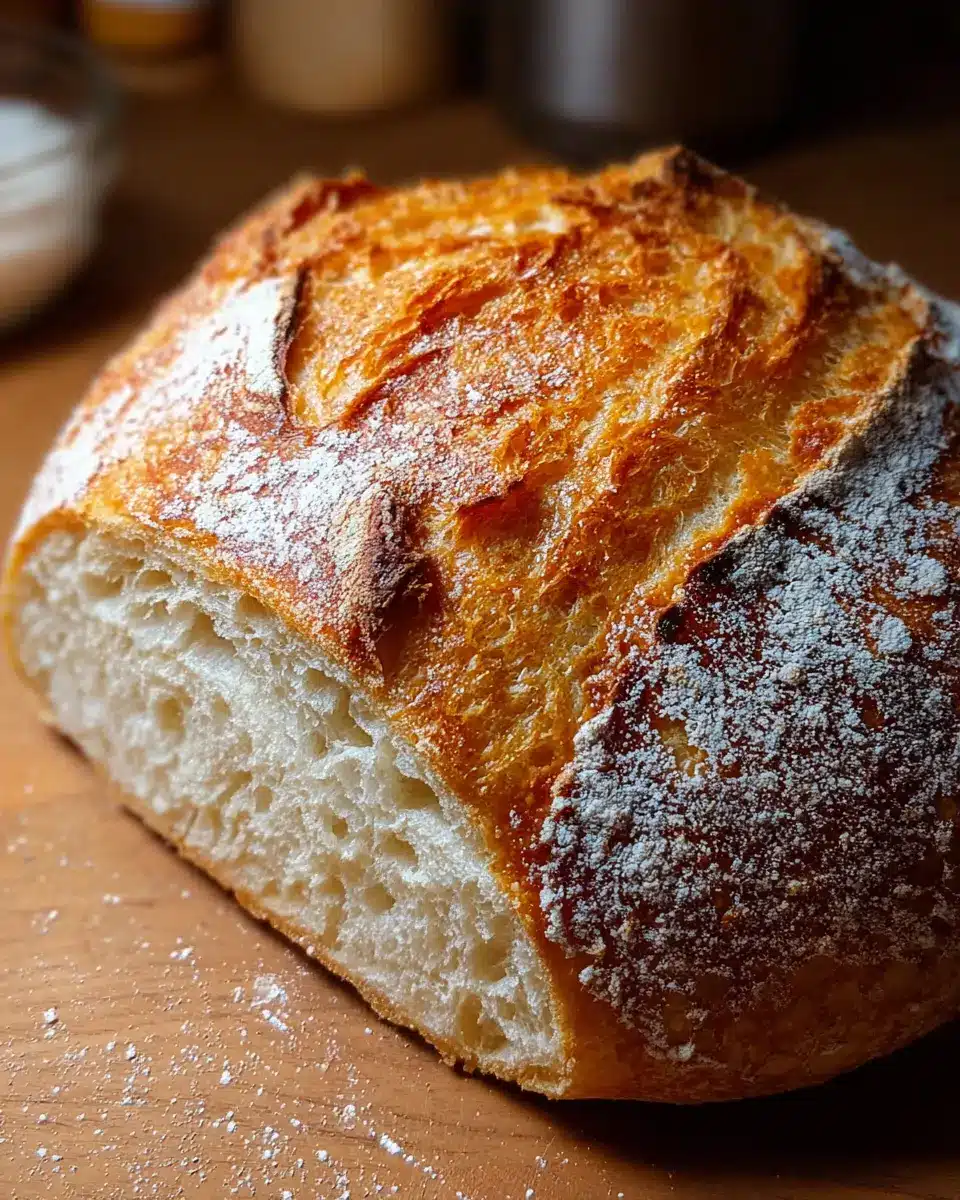
Variations of Lazy Baker's No-Bulk-Fermentation Sourdough Bread
Adding herbs and spices for flavor
Elevate your lazy baker’s no-bulk-fermentation sourdough bread by experimenting with herbs and spices! A dash of rosemary or thyme can infuse delightful aroma and a savory touch. You might also consider blending in spices like cumin or coriander for an exotic flair. Simply mix desired herbs or spices into the dry ingredients before adding water for a consistent flavor throughout the loaf.
Incorporating whole grains or seeds
For a nutritious twist, incorporate whole grains or seeds into your dough. A handful of flaxseeds, sunflower seeds, or even whole wheat flour can add texture and boost fiber content. Mixing in these ingredients is as easy as substituting a portion of the all-purpose flour with whole grains, ensuring your sourdough bread is as wholesome as it is delicious.
These small variations can make a delightful difference in your sourdough baking journey. Whether you opt for fresh herbs or grains, the possibilities are endless!
Cooking Tips and Notes for Lazy Baker's No-Bulk-Fermentation Sourdough Bread
Tips for achieving the best texture
To ensure your lazy baker’s no-bulk-fermentation sourdough bread has that delightful, airy texture, focus on the following:
- Maintain the right temperature: Room temperature dough is crucial. If your kitchen is chilly, consider letting your dough rise in a slightly warm spot, like near an oven.
- Choose the right flour: As mentioned, King Arthur Bread Flour is an excellent choice due to its high protein content, leading to better gluten development.
Troubleshooting common sourdough issues
Experiencing problems? Here are a couple of common challenges:
- Density or heavy bread: This could mean your dough didn’t have enough strength. Make sure to perform those stretch and folds effectively.
- Lack of rise: If your dough doesn’t rise as expected, consider refreshing your sourdough starter more regularly to keep it active.
If you’re curious about more techniques for achieving the perfect sourdough, check out this guide on sourdough tips. Happy baking!
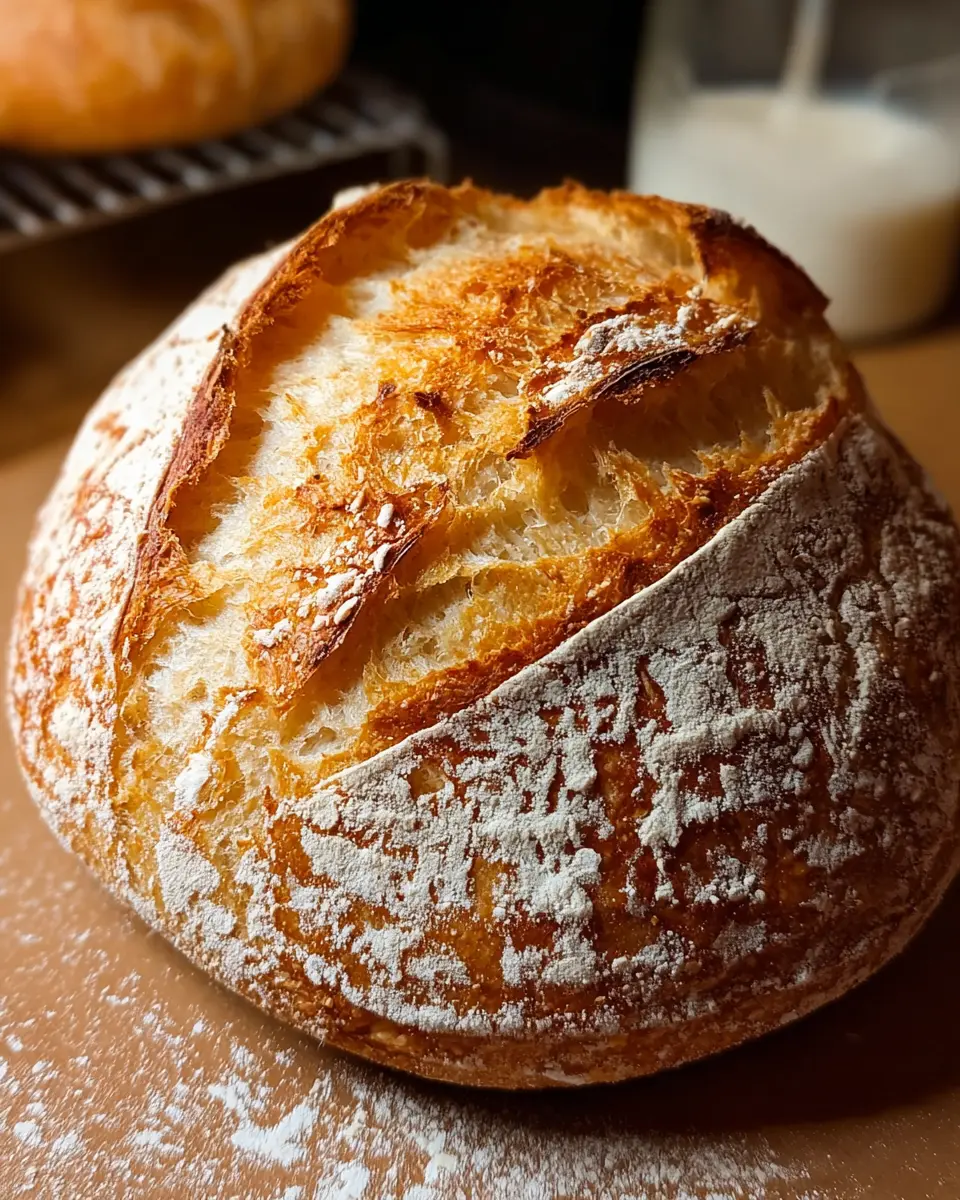
Serving Suggestions for Lazy Baker's No-Bulk-Fermentation Sourdough Bread
Pairing ideas for your homemade sourdough
There’s nothing quite like a slice of lazy baker’s no-bulk-fermentation sourdough bread fresh out of the oven. Try spreading creamy avocado topped with a sprinkle of salt for a nutritious breakfast. For lunch, opt for a classic turkey bacon and tomato sandwich or, if you're craving something heartier, a chicken ham melt with gooey cheese. Pair your bread with homemade soups or stews—its perfect texture soaks up flavors beautifully. If you're in the mood for a snack, enjoy a bit of olive oil and balsamic vinegar for a simple yet satisfying dip.
Creative ways to use leftover bread
Don’t let that delicious sourdough go to waste! Transform your leftover slices into crunchy croutons by tossing them with olive oil and herbs, then baking until golden. You can also whip up a scrumptious bread pudding or French toast for a delightful brunch treat. How about making a simple bruschetta by toasting slices and topping them with diced tomatoes, garlic, and basil? These options let you enjoy your sourdough long after the first loaf is gone, keeping it exciting and flavorful.
For more tips on using sourdough creatively, check out resources from the Bread Slicer’s Guide.
Time Breakdown for Lazy Baker's No-Bulk-Fermentation Sourdough Bread
Preparation Time
Kick off your baking adventure by dedicating 1 hour to mixing and resting your lazy baker’s no-bulk-fermentation sourdough bread dough. This essential step helps develop flavor and texture, setting a solid foundation for your loaf.
Fermentation Time
The real magic happens during fermentation, lasting between 36 to 48 hours. This extended period in the fridge not only enhances flavor but also makes handling the dough a breeze. Just remember, the longer you wait, the better the taste!
Baking Time
When you're ready to savor the fruits of your labor, preheat your oven for about 45 minutes and then bake the bread for 25 minutes covered, followed by 35 minutes uncovered. You'll be amazed at how this combination produces a perfectly crusty, airy loaf.
Feel inspired to explore the world of sourdough? Check out resources on The Perfect Loaf for more tips on sourdough techniques!
Nutritional Facts for Lazy Baker's No-Bulk-Fermentation Sourdough Bread
Calories per slice
Each slice of Lazy Baker's No-Bulk-Fermentation Sourdough Bread packs in about 150 calories. This makes it a fantastic option for those who want a satisfying bread without a hefty calorie load.
Nutrient breakdown
When you enjoy a slice, here’s what you’re getting nutritionally:
- Sugar: 0g
- Sodium: 100mg
- Fat: 0.5g
- Saturated Fat: 0g
- Unsaturated Fat: 0.5g
- Carbohydrates: 30g
- Fiber: 1g
- Protein: 5g
- Cholesterol: 0mg
This sourdough bread not only delights your taste buds but also provides a balanced nutritional profile, making it a wholesome addition to your diet. Plus, with the inclusion of high-quality ingredients like King Arthur Bread Flour, you'll be creating a bread that enhances your meals while remaining simple to prepare. For more health-focused information, check out resources like the USDA FoodData Central or explore recommendations from the American Heart Association.
FAQs about Lazy Baker's No-Bulk-Fermentation Sourdough Bread
What makes no-bulk fermentation easier?
The Lazy Baker’s No-Bulk-Fermentation Sourdough Bread method simplifies the bread-making process by eliminating the lengthy bulk fermentation step. Instead of hours of monitoring and folding, this technique allows you to mix your ingredients and let the dough cold-ferment in the fridge for 36 to 48 hours. This not only saves you time but also builds a fantastic flavor profile due to longer fermentation without active involvement. This makes baking sourdough feel achievable, even for busy young professionals!
Can I use different types of flour?
Absolutely! While this recipe features King Arthur Bread Flour for its high protein content, you can experiment with other flour types. Whole wheat or even a gluten-free blend can be used, though the texture and flavor may differ slightly. Just remember that the hydration level may need adjustments, especially with alternative flours.
How should I store the bread?
To keep your No-Bulk-Fermentation Sourdough Bread fresh, store it in a paper bag at room temperature for 2-3 days. For longer storage, slice the bread and freeze it in an airtight container. Just pop it in a toaster for a quick and delicious snack anytime! For more tips on bread storage, check out resources from King Arthur Baking.
These tips should help you get the most out of your baking adventure!
Conclusion on Lazy Baker's No-Bulk-Fermentation Sourdough Bread
Creating Lazy Baker’s No-Bulk-Fermentation Sourdough Bread is an approachable way to enjoy homemade bread without the fuss of traditional techniques. With minimal steps, you’ll achieve a deliciously airy loaf that impresses. Embrace the unique flavors that cold fermentation brings, elevating your baking game effortlessly!
For more tips on sourdough bread-making, check out resources on sites like King Arthur Baking and The Perfect Loaf. They offer great insights and helpful advice for novice and seasoned bakers alike!
Lazy Baker’s No-Bulk-Fermentation Sourdough Bread
Equipment
- Dutch oven
Ingredients
Main Ingredients
- 500 g King Arthur Bread Flour Using King Arthur Bread Flour will yield a better texture due to its higher protein content.
- 100 g active sourdough starter fed and bubbly
- 350 g water room temperature
- 15 g salt
Instructions
Preparation Steps
- Mix the flour, water, and sourdough starter in a large bowl and let it rest for one hour.
- Add salt and perform stretch and folds over two hours.
- Transfer the dough to a lightly oiled container, cover, and refrigerate for 36 to 48 hours.
- Remove from the fridge, shape the dough, and let it rest for 30 minutes.
- Reshape and proof the dough, optionally resting in the fridge for another 10 to 24 hours.
- Preheat the oven to 450°F (232°C) with a Dutch oven inside for 45 minutes.
- Transfer the dough to the Dutch oven and bake covered for 25 minutes, then uncovered for 35 minutes at 400°F (204°C).




Leave a Reply